The FAO (Farming and Agriculture Organization) defines IPM as: The careful consideration of all available pest controls and the integration of appropriate measures that curb the development of pest populations. Keeping chemical applications to interventions that are economically justified and that minimise risks to human health and the environment.
IPM emphasises healthy cultivation by decreasing intervention and encouraging natural pest management mechanisms. (http://www.fao.org/agriculture/crops/)
The use of chemical pesticides is one of the mainstays for the maintenance of sports surfaces high-yielding. But their use has a high environmental impact, so it is very important to anticipate diseases, because once the disease is visible to the naked eye, correcting it will be very costly. However, if integrated pest management had been carried out, this situation would not be so costly to correct.
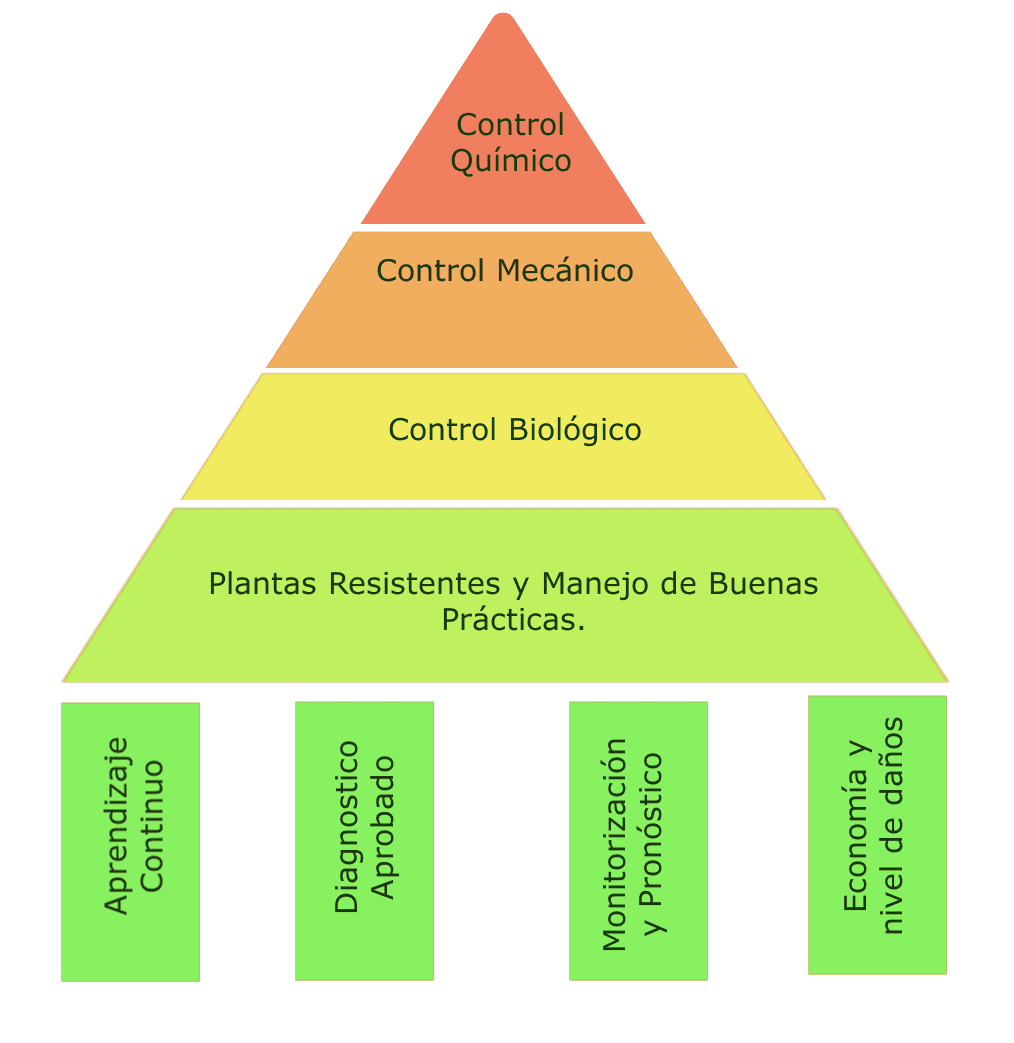
Structure of integrated pest management
The way forward for golf must be to ensure environmental quality and the ecosystem in the long term, and for this reason the European Union passed the DIRECTIVE 2009/128/EC OF THE EUROPEAN PARLIAMENT AND OF THE COUNCIL of 21 October 2009, transposed into Spanish law through the Royal Decree 1311/2012 of 14 SeptemberThe Directive establishes the framework for action to achieve a sustainable use of plant protection products.
FAO proposes the following principles for achieving the objective
Prevention and/or suppression.
-Use of appropriate cultivation techniques (Stale seed bed preparation technique, sowing dates and densities, conservation tillage).
Use, where appropriate, of disease-resistant, stress-tolerant varieties and certified planting material.
-Calibrated application of fertiliser, whitewashing and irrigation / drainage.
-Prevent the spread of harmful organisms through hygiene measures (regular cleaning of machinery and equipment).
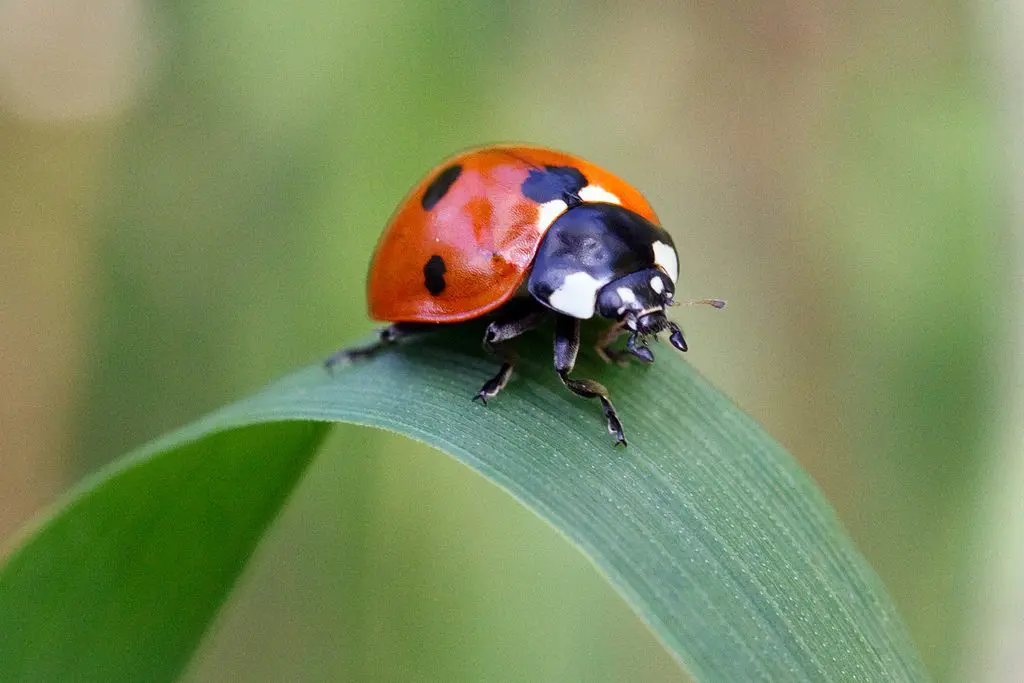
-Protection and enhancement of important beneficial organisms. Acquisition of adequate plant protection measures and use of ecological infrastructures inside and outside production sites.
Harmful organisms must be controlled by appropriate methods and tools.
Surveillance.
Frequent field observations, as well as the use of prognostic and diagnostic software, are top priority. Do not hesitate to use advice from professionally qualified advisors.
Decision-making.
On the basis of the monitoring results, the responsible person must decide when to apply plant protection measures. The economic threshold of damage must be defined in order to take it into account before treatment.
In general, there is not yet a large number of studies that make it easier for the maintenance team to define thresholds. But some centres, such as Utah State University, have done important work such as INTEGRATED MANAGEMENT OF BILLBUGS (COLEOPTERA: DRYOPHTHORIDAE) IN INTERMOUNTAIN WEST TURFGRASS by Madeleine M. Dupuy. In this type of testing, baselines begin to be drawn.
Universities and research organisations are working to define sustainable performance thresholds.
Non-chemical methods.
Biological, physical and other sustainable non-chemical methods should be preferred to chemical methods if they provide satisfactory pest control. There are promoters of micro-organisms that stimulate a healthy soil balance.
Use of non-chemical tools.
Selection of phytosanitary products.
Plant protection products applied should be as specific as possible to the target pest. To avoid damage to other organisms that may be key to the biotic balance of the environment.
Calibrated doses.
The dosage rate defined by the manufacturer must be strictly adhered to, and the permissible level of damage must be kept in mind. The responsible person may use application methods using reduced doses, reduced application frequency or partial applications.
Anti-Resistance Strategies
In the application of chemicals, the generation of resistance on the part of the pathogen is a serious problem. Available resistance strategies must be applied to maintain the effectiveness of the products. This may include the use of multiple pesticides with different active ingredients.
Evaluation.
After carrying out the control works the success of the plant protection measures applied can be assessed and evaluated in order to adopt more accurate strategies for each season.
By following the above steps the industry will be closer to delivering incalculable agronomic value. For reducing our environmental impact has as many benefits as one can imagine.
If you have already read Integrated Pest Management in Turfgrass IPM What is it? you might be interested in...
Great! Despite the many words, I studied it in one sitting and
I have scrolled down to the comments area directly to thank you for this post, excellent!
Congratulations
Leave a Reply
Recent Comments
Hemos detectado que podrías estar hablando otro idioma. Cambia al idioma:
We appreciate your interest in us, so we leave you this form so that you can subscribe and have priority access to our exclusive promotions and offersideal for saving money on your purchases and keeping your sports and agricultural fields at the forefront!
In addition, we will keep you informed about the LATEST NEWS in Greens and Agriculture with the latest entries from our Greenkeepedia and Agrikipediaincluding innovations, events and interviews with experts.


 Español
  English (UK)
 Português
 Français
 Italiano
 Deutsch
 العربية



One Response
Great! Despite the many words, I studied it in one sitting and
I have scrolled down to the comments area directly to thank you for this post, excellent!
Congratulations