

The transition into May and June marks a critical turning point for the maintenance of croquet sports surfaces. Rising night and daytime temperatures dramatically increase evapotranspiration rates, requiring a strategy that goes beyond conventional irrigation.
To ensure that the field maintains its playability and plant health under these stressful conditions, we focus on three fundamental pillars.
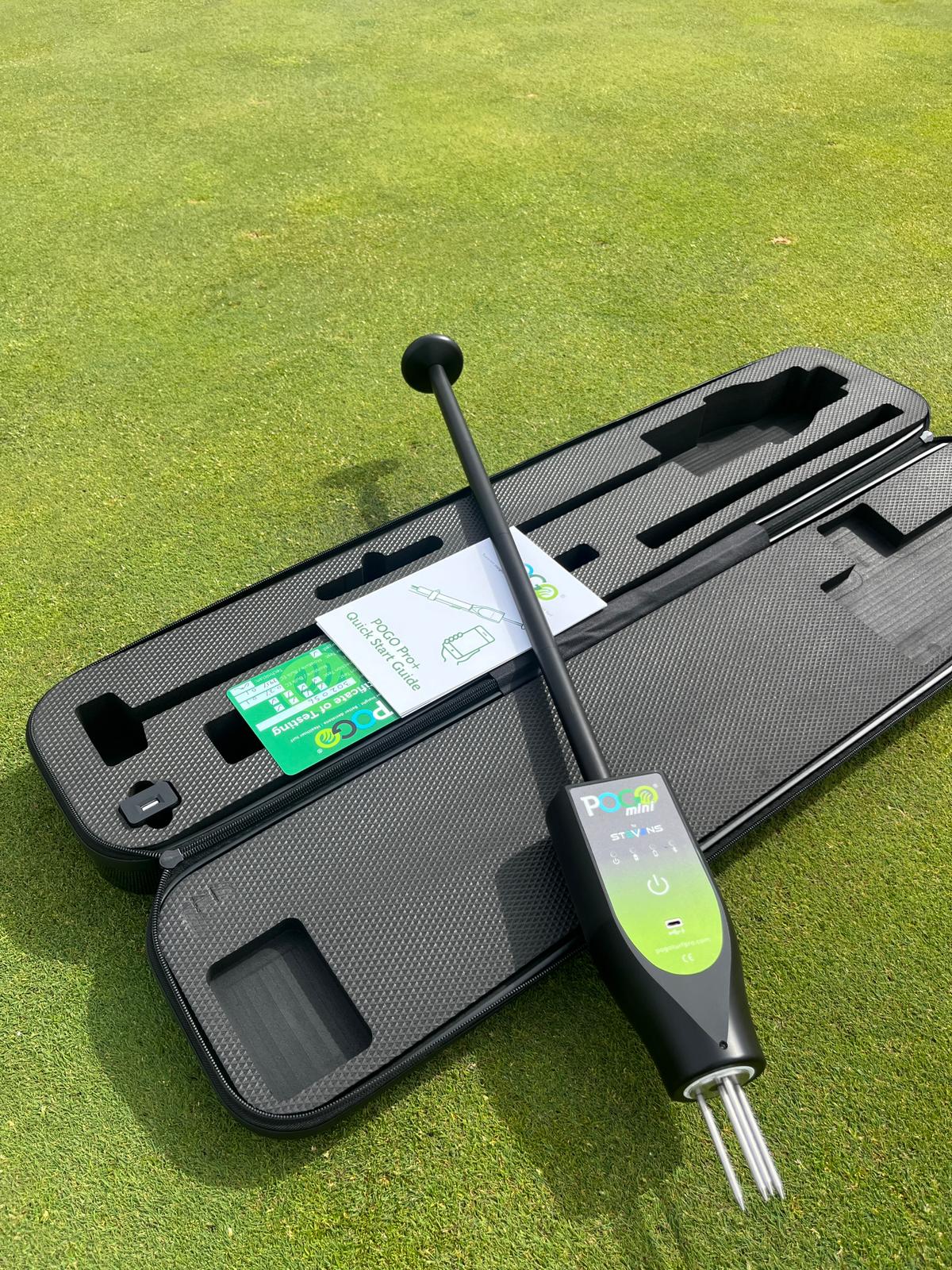
The summer season is characterised by a considerable increase in day and night temperatures, which results in high evapotranspiration rates. Irrigation uniformities of around 50 - 75% are to be expected. Our aim is to raise these levels to minimise the water deficit, using precision tools for diagnosis. Today POGO offers the best tool on the market for this study.
POGO allows detailed visual mapping and trending of variables such as electrical conductivity, volumetric water content and salinity index among others.
Taking into account that root decline (to a greater or lesser extent is a generalised fact in summer) the presence of surfactants is another valid option for integrated irrigation management.
The use of these products generates a decrease in the surface tension of the water allowing a better “wetting” of the soil and eliminating dry patches.
There are different types of surfactants or surfactants: anionic, non-anionic, polymers, sugar derivatives or humic acids.
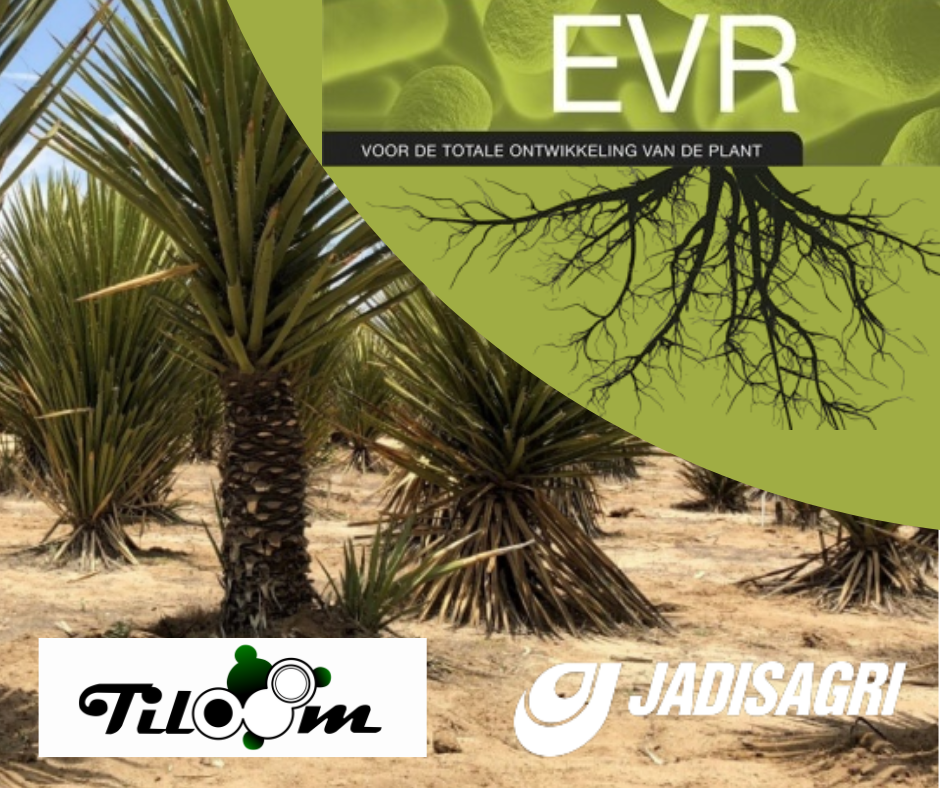
One of the options you have is the use of biostimulants such as EVR, a non-ionic wetting agent. EVR is compatible with most fertilisers and agrochemicals and can be used at different pH.
Mycorrhizae are one of the most abundant types of symbiosis in the biosphere: they are fungi that interact with the plant and improve the absorption of water and nutrients from the root, allowing the attenuation of water stress in summer. Source: Ruiz-Lozano et al., 1995.
Mycorrhizae can be supplied either through biological inoculation or through organic amendments.
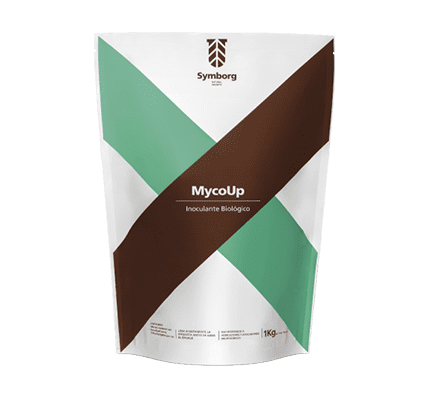
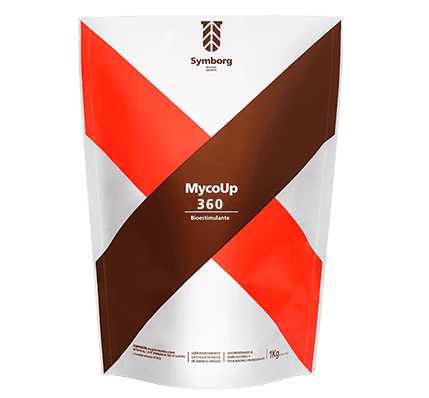
Both Mycoup and Mycoup 360 encourage the growth of the plant's root system, which improves the efficiency of water and nutrient uptake.
Aeration during this time is extremely important as it is directly related to the availability of water. Aeration with hollow tine equipment is recommended whenever necessary, but general spiking or drilling can be carried out at any time. A spiked roller is a useful tool for shallow drilling.
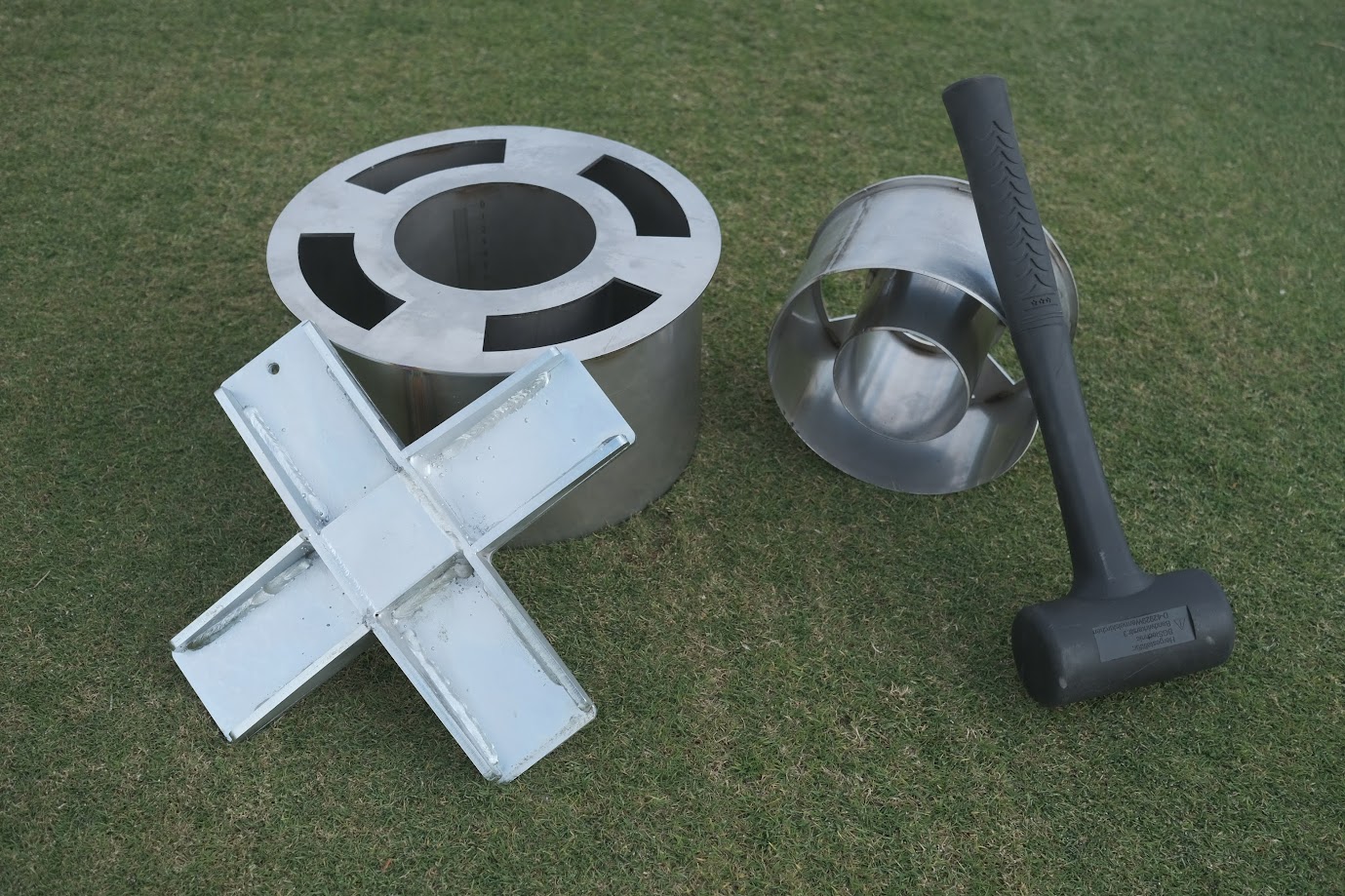
On some pitches deeper aeration may be necessary when subsoil compaction is causing drainage or turf growth problems. To find out under what conditions hydraulic conductivity is located in our field, Tiloom recommends the use of a infiltrometer and thus reliably determine the infiltration rate in situ.
For further information on croquet related topics we recommend Croquet: Technical Standards and Playability Parameters
To minimise the water deficit caused by high evapotranspiration rates and to ensure that water reaches the entire surface profile equally.
It allows for detailed visual mapping and trend analysis of key variables such as electrical conductivity, temperature and humidity. volumetric water content and salinity.
They reduce surface water tension to improve soil wetting, eliminating dry areas and optimising hydration in the face of summer root decline.
They establish a symbiosis that expands the root system, drastically improving the nutrient absorption and water to mitigate the deficit in summer.
Through the use of a Infiltrometer, which makes it possible to measure the infiltration rate in situ and assess whether subsoil compaction is affecting drainage.
 Español Español
  English (UK)
 Português
 Français
 Italiano
 Deutsch
 العربية