

Climate elements and factors are a set of characteristics that define the weather. The factors are what actually define what frequent phenomena will occur in the geographical area.
The climate affects large areas of the earth's surface, thus speaking of climates such as tropical, subtropical, continental, etc. Each type of climate has the characteristic of creating its own landscapes and ecosystems such as the jungle, the savannah or the steppe, among many others.
In the picture we can see a clear representation of how the climate factors have a direct influence on the elements of climate. The factors, shown in blue, are the geographical and physical conditions that determine the type of climate in an area: latitude, altitude, relief, proximity to the sea and ocean currents. These conditions do not change daily and establish the climatic "framework".
On the other hand, the elements of climaterepresented in red, are the variables that are measured and experienced every day: temperature, precipitation, humidity, atmospheric pressure and wind. These elements are the result of the action of the factors, and are responsible for the atmospheric weather we perceive.
This diagram summarises perfectly how factors act as causes y the elements as effects. Knowing both is therefore fundamental to understanding how the climate works in any region of the planet.

Most of the factors that define climate are abiotic, that is, they do not depend on elements related to living beings. There is really no one factor that is more decisive than another, as for example Madrid and New York are at the same latitude and have completely different climates.
As well as latitude, orography, proximity to the sea and altitude are also extremely influential. It is the proximity to the sea and the water currents that make New York's climate completely different.
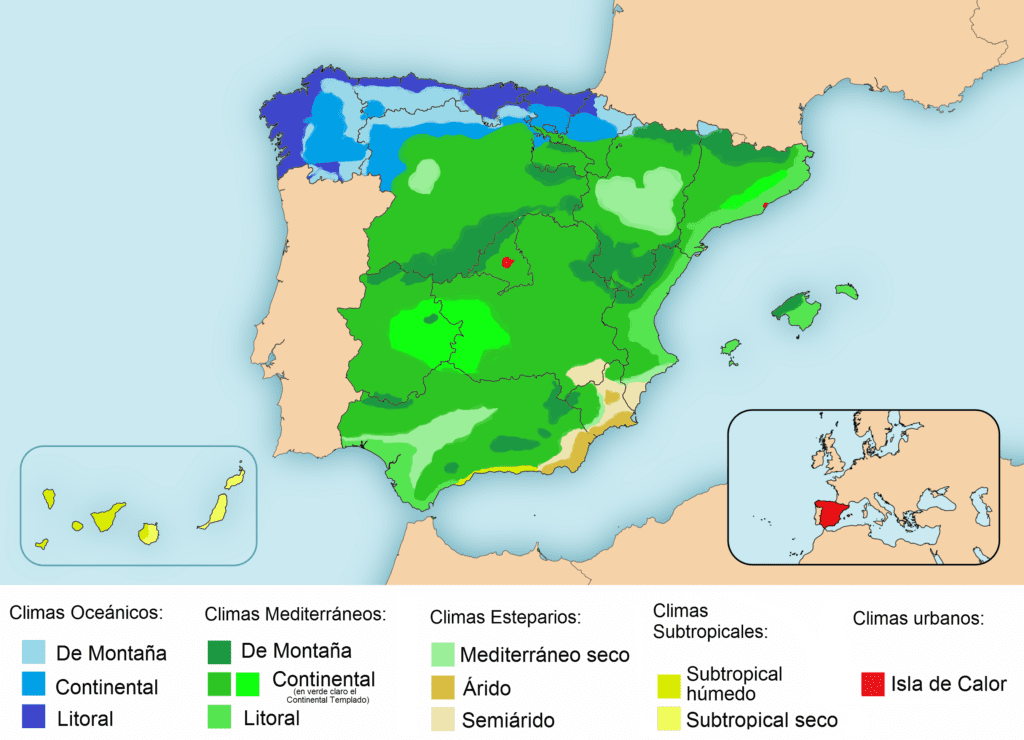
The orography, for example, affects the macroclimatic and microclimatic level. When we talk about very strong differences in altitude we can say that every 160 metres of altitude the temperature drops by one degree. But we have all experienced in the same field climatic conditions slightly different, what we call microclimate.
The result of differences in factors are the elements: precipitation, atmospheric pressure, insolation, humidity..... The elements can be volatile, very changeable and very different in very close areas. This difference in the elements at a particular time is what we call "atmospheric weather".
Because of these differences it is always highly recommended to have a weather station in the countryside. The public stations are often far away and a couple of kilometres are enough to make the weather very different.
If you want to know more about weather stations quality contact us at soporte@tiloom.com.
Climate factors are geographical and physical conditions that determine what the climate of a region will be like. They include latitude, altitude, proximity to the sea, ocean currents, relief orientation and vegetation.
The elements of climate are measurable variables that allow us to describe the climate at a specific time and place. Some of the main ones are temperature, precipitation, relative humidityatmospheric pressure, wind, cloud cover and solar radiation.
One factor determines the overall context (e.g. whether a region is wet or dry), while one element is what we experience on a daily basis (e.g. today's rain or heat). Both work together, constantly.
Visit what are the elements of climate y what are the climate factors is essential for sectors such as agriculture, construction, tourism and environmental management.
Furthermore, if you are interested in recording these elements on your farm or in your geographical area, at Tiloom we have an outstanding product capable of measuring the climate with great precision: the Davis weather stationideal for professional use.
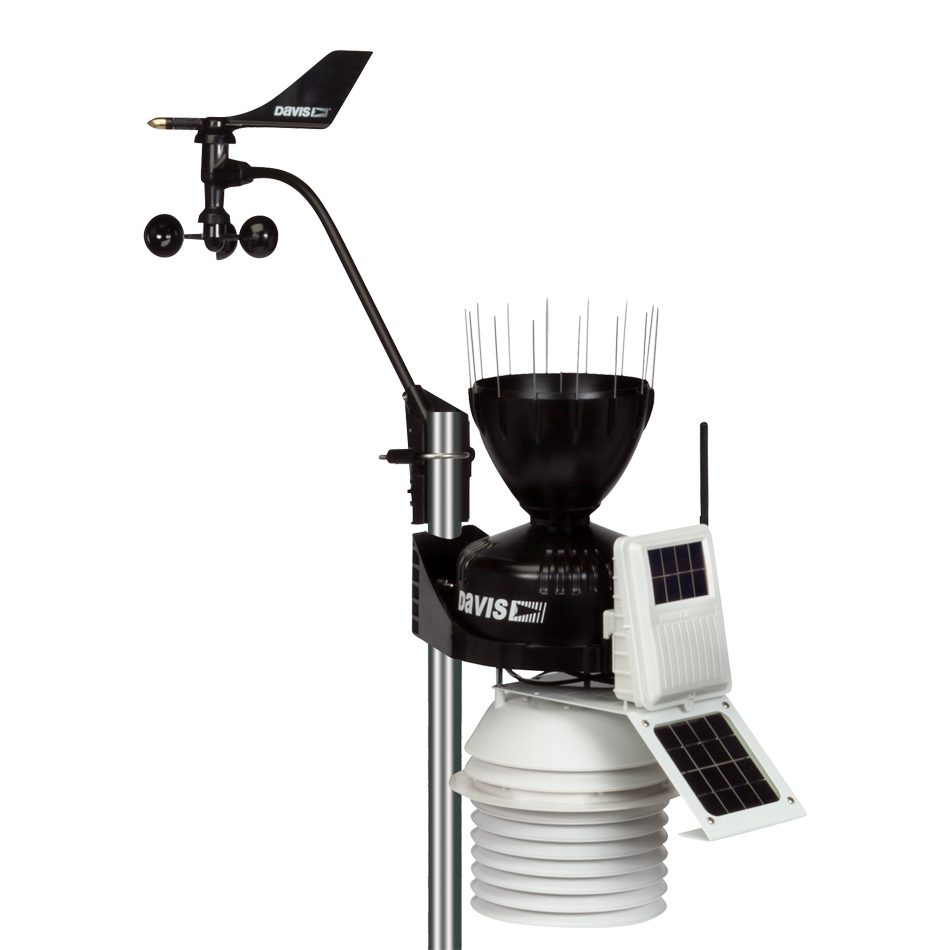
DAVIS portable weather station with solar power supply and tripod. With the station you can find out what the weather is really like in your area.
If you want to know more about quality weather stations, please contact us at soporte@tiloom.com.
 Español Español
  English (UK)
 Português
 Français
 Italiano
 Deutsch
 العربية


One Response
this is very good