 PHOTO · TILOOM

The land has a continental surface area of 1.5.108 km2 So life has made its way to colonise most of that surface. At first glance only in the form of animals and plants, but in reality most of that life has adapted in the form of micro-organisms, bacteria y mushrooms for the most part.
Micro-organisms reach equilibrium in areas that are not exploited by humans.
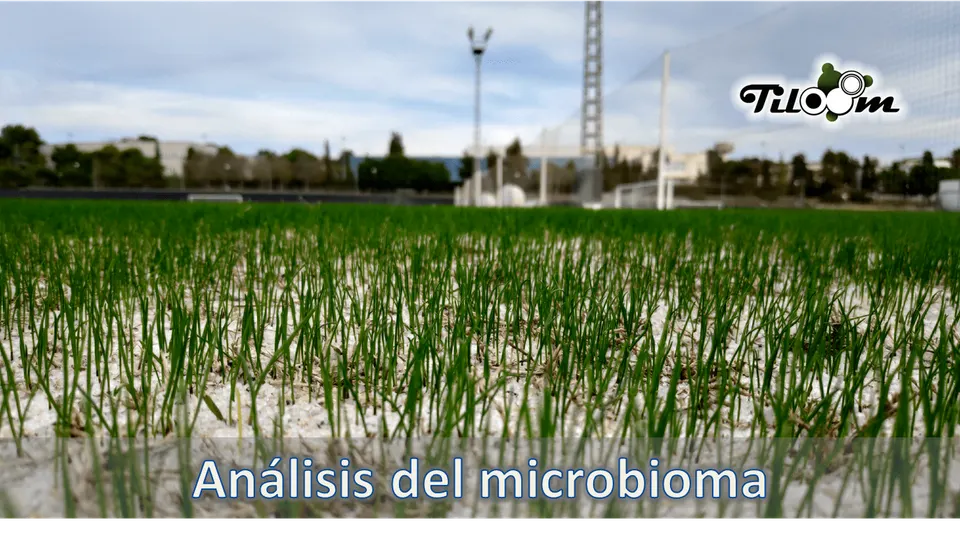
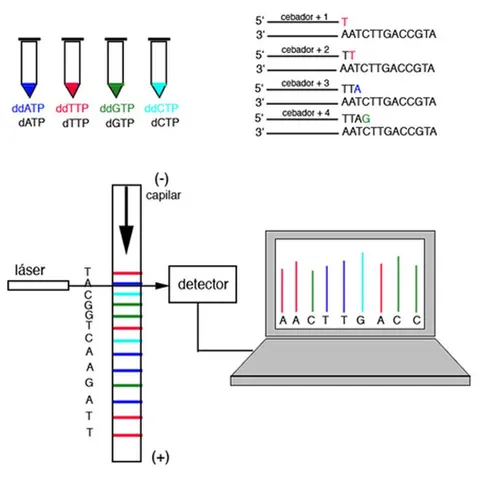
Biochemistry and genetics have come hand in hand allowing massive DNA sequencing and the rapid and inexpensive identification of micro-organisms present in a soil, plant or water sample. This technology makes it possible to monitor the soil microbiomeknowing the activity, abundance, and the pathogenic pressure or the symbiotic relationship of organisms in the soil. It also provides information on the impact of soil exploitation, the use of agronomic products or cultural practices.
Fertiliser and pesticide applications can unbalance the soil microbiome both favourably and adversely.
Every soil is completely different, not only the cultural practices that are applied to it. The composition of the microbiology changes according to the climatic zone, the soil characteristics or the type of crop grown on it.
The microbial flora determination tests and reports obtained allow us to make this information more useful and easier to manage for the person in charge of the exploited surface. Their strong point is to carry out an in-depth study that is easy for the user to understand. They organise the information so that at a glance you can know the state of the soil and whether the work that has been carried out has had the desired impact.
This microscopic life is dynamic and evolves as human activity impacts on the surface.
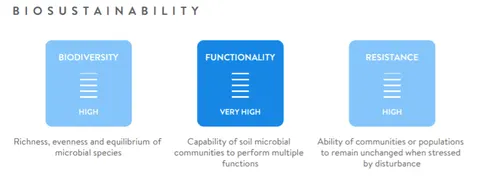
At the same time, an in-depth study reveals the most influential soil populations from a comparative record of more than 420 species. These different populations act as symbionts or parasites for crops. Some decrease yield but others function as potent bio-controllers, hormone producers or facilitate adaptation to stress.
The reports include in their studies records of hundreds of species of common micro-organisms such as fusarium, pseudoseptoria or ascochyta.
Thanks to the blending of dna sequencing technologies with the Big Data allows us to know:
- What is the effect of the application of biostimulants, such as mycorrhizae or the trichodermas
- Knowing the disease pressure to optimise the IPM
- Understanding the symbiotic effect of soil organisms in order to save on traditional pesticides.
The new organic agriculture is very conscious of the reduction of synthetic chemicals in favour of ecological solutions that promote symbiotic plant-soil interactions. This type of agriculture is able to improve the nutrient absorption, The use of pesticides and pesticides is reduced and the crops are in a better state of health.
Thanks to our reports it is possible to know the effectiveness of the products, to improve cultural practices and to combat effectively and preventively the problems that soil pathogens can generate. Ask us for more information at soporte@tiloom.com and we will help you make the move to ECO.