
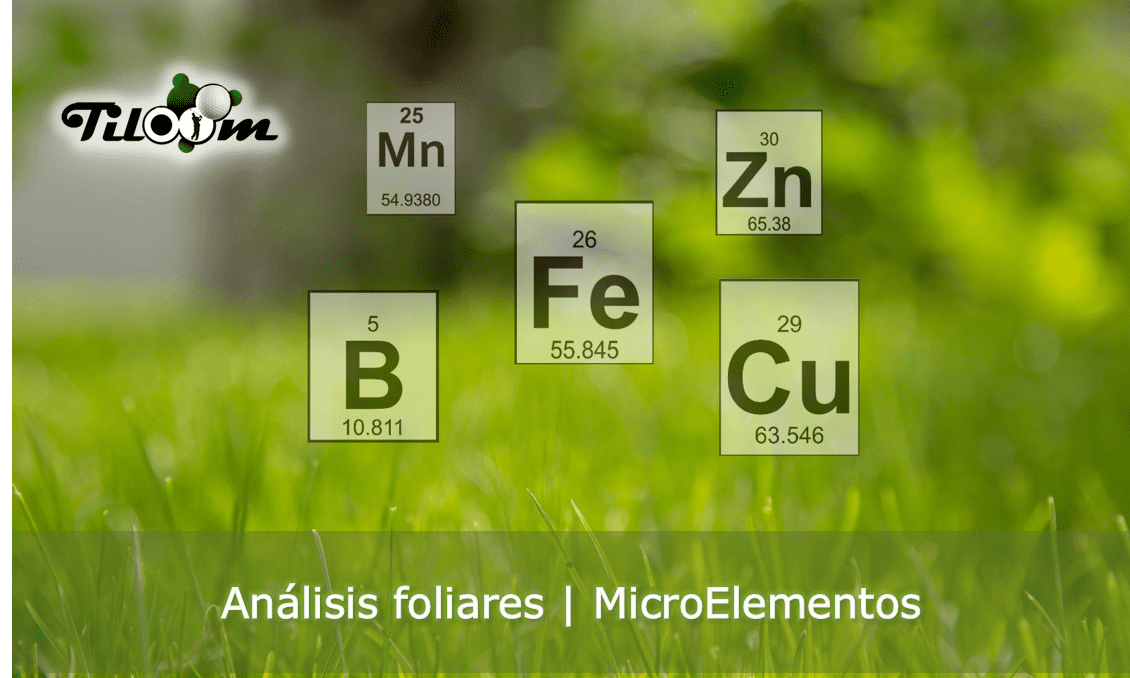
In the foliar analysis there is always a section on microelements. These elements are found in plant tissue in very low concentrations but play an important role in the metabolism of the plant. If any of these microelements are missing, the plant would have serious problems in its development as it would not be able to complete all the phases of its metabolism properly.
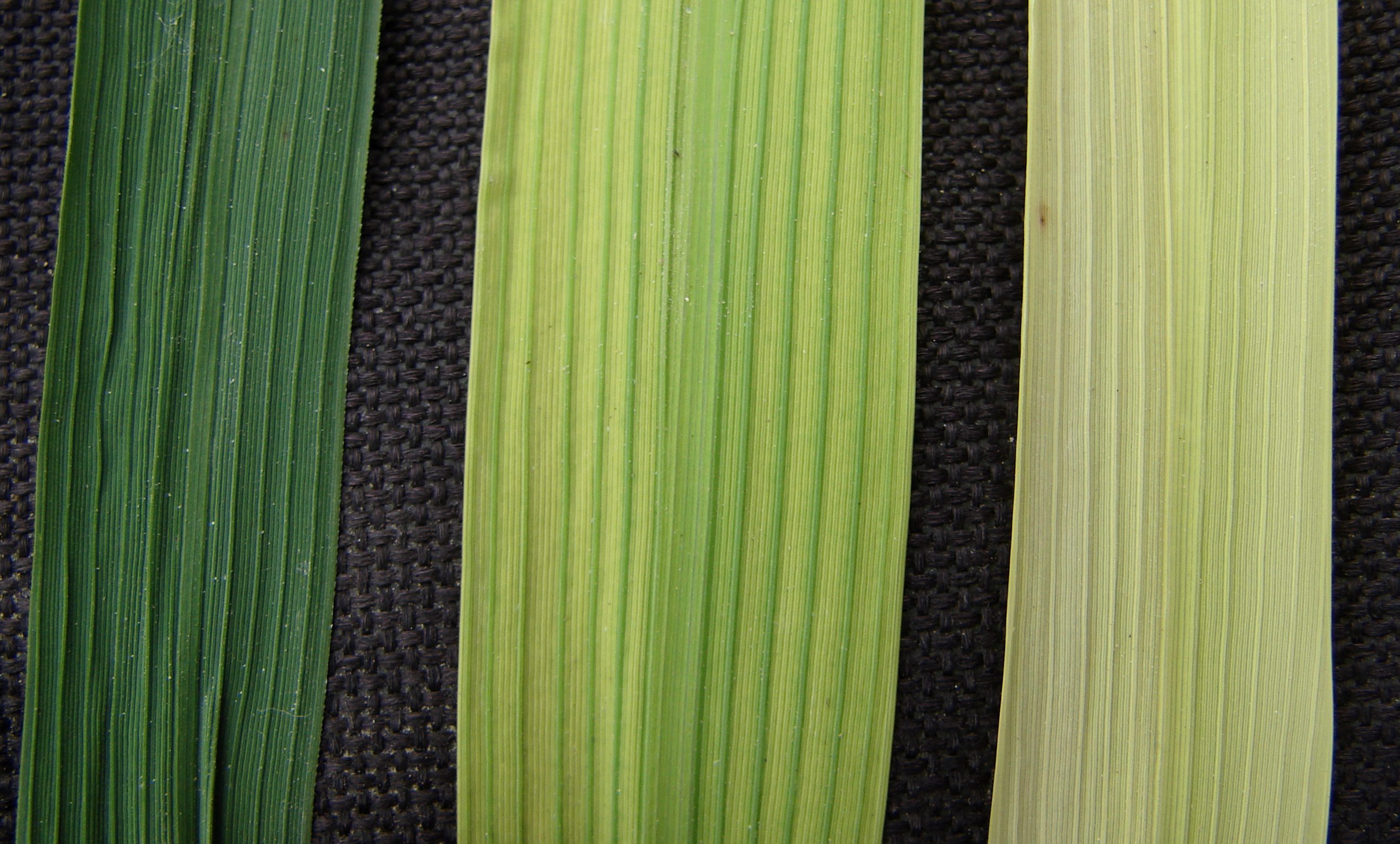
Its deficiency in turf is very frequent as its uptake is blocked at high pH and is more affected by frequent mowing.

In deficiency conditions the leaves become chlorotic between the veins, or with yellow spots. Although it is not a very mobile element, symptoms can be seen on both old and new leaves.
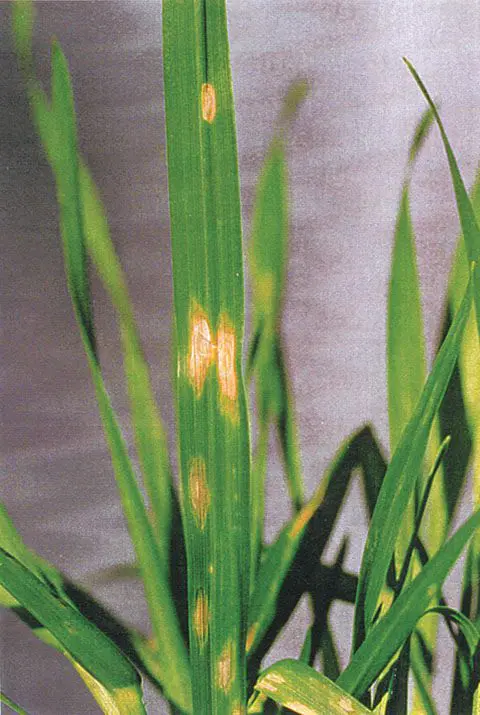
On lawns with very low and frequent mowing, sometimes only leaf desiccation is shown. When the leaf is longer the symptoms are more whitening of the leaves and mottling between the veins while the margins remain green.
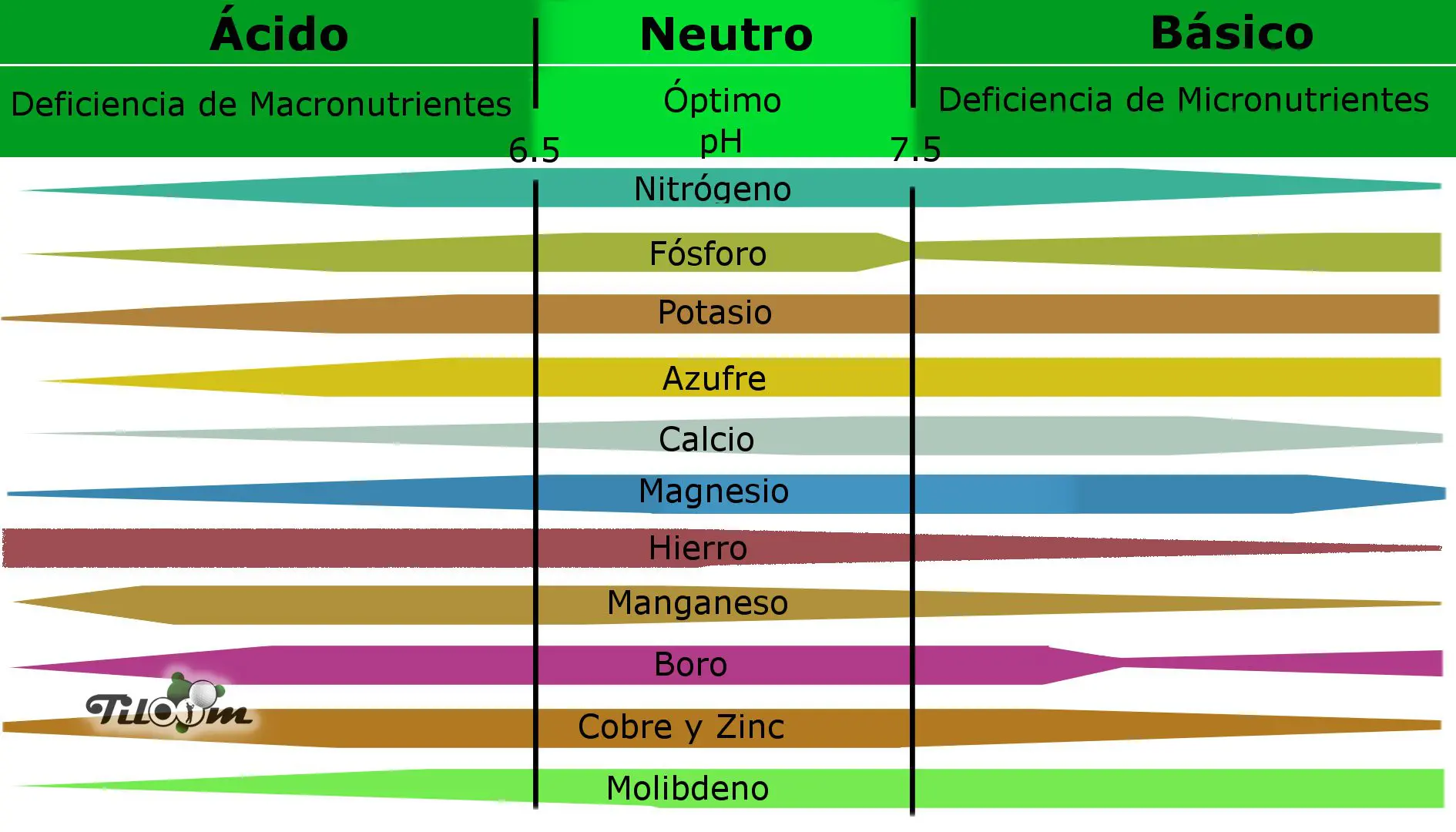
It can be concluded that micronutrients are strongly affected by high pH and to avoid deficiencies it is best to control the pH between 6.5 and 7.
To measure the Soil pH There are a variety of solutions on the market. But in the end the most practical thing is to have a quality, pocket-sized sensor such as the SoilStick phymeter which allows us to measure in wet soil, water or liquid mixtures.
 Español Español
  English (UK)
 Português
 Français
 Italiano
 Deutsch
 العربية