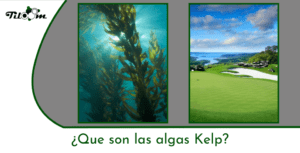

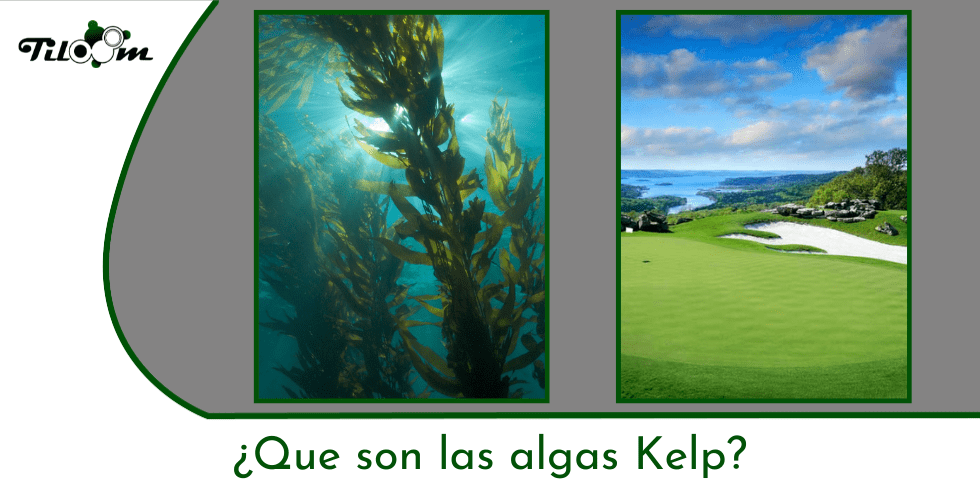
Kelp algae are algae giants of the genus Macrocystis, the largest known. Kelp is often found to be more than 60 metres long. Kelp is a storehouse of nutrients that grow rapidly and can be used in agriculture with great benefits Hunter and Butler (2005).
The industry has now developed kelp extracts for algae applications at any phenological stage of turfgrass. Kelp is a highly regarded natural biostimulant that incorporates regulators important auxins, cytokinins and gibberellins, as well as a balanced set of micronutrients that improve the ability to withstand pests and diseases (Hattori, 1999).
Using Kelp in the field does not diminish the need for fertilisers The plant's nutrient availability is much higher, however. Plants increase the margin for nutrient uptake, so nutrient use may decrease.
Benefits of Kelp
Kelp has shown interesting benefits in terms of increased stress tolerance of turfgrass mainly attributed to betaines and phytohormones.
Other benefits that remain under intense scrutiny by experts include:
In summary, studies have shown that kelp has an impact as a biological pest and disease control. For example, the use of Kelp has been shown to increase potassium concentration in leaves. The potassium is known as the element of health, because its availability increases the plant's tolerance to stress due to heat, disease or wear and tear.

Another improvement that has been demonstrated is the increase of the greenery. A bright green lawn is a clear marker of health. Kelp algae affects chlorophyll production and increases the photosynthesis. Health improvements are also reflected in root mass. Its increase is also related to the application of such products. A strong root system allows for more exploration of the soil and therefore more available nutrients.
The use of kelp on lawns should be continuous and frequent over time. It is common to apply bimonthly and if winters are not too harsh apply throughout the year. Biostimulants are another tool that any turf professional should use. They are inexpensive to use and have very positive effects.
 Español Español
  English (UK)
 Português
 Français
 Italiano
 Deutsch
 العربية