Natural defence systems I. Elicitors
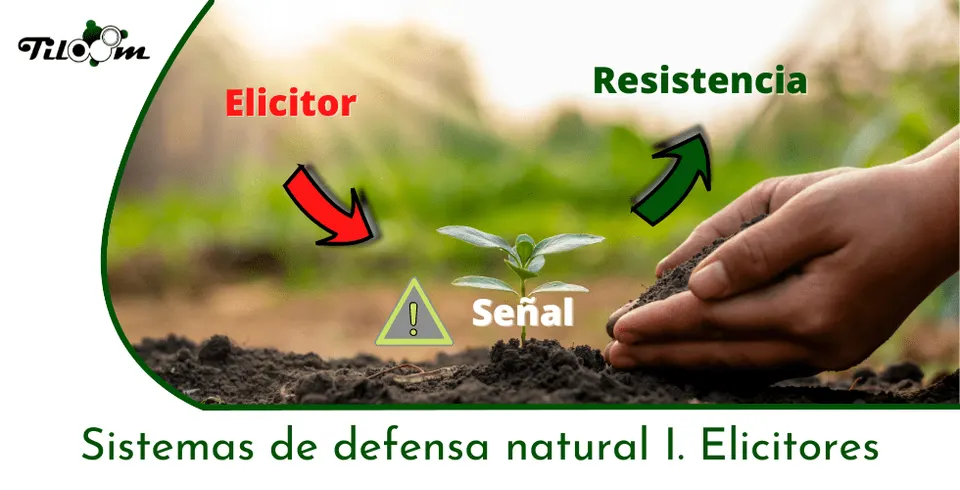 PHOTO · TILOOM

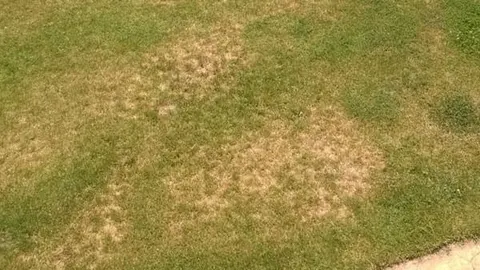
Plants have several natural defence methods, and elicitors are one of them. The health of our turf depends in many cases on the proper functioning of the two levels of natural defence that exist.
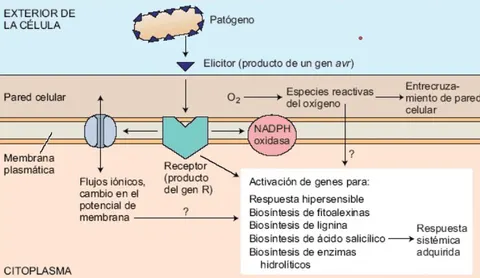
Against biotic attacks, meaning those from other living organisms such as fungi, bacteria, viruses, insects or competition from other varieties, or abiotic ones such as environmental factors including extreme temperatures, drought, salinity, etc… These defences are activated on perception of a signal that triggers the production of “elicitor” substances which, bound to specific receptors, stimulate the natural defence processes.
Elicitors are the substances that stimulate natural defence processes.
In most cases the signal is hydrogen peroxide, produced by the removal of oxygen free radicals (forms of oxygen that are very aggressive to cells, originating from some kind of stress) through the enzymatic activity of peroxidases or superoxide dismutase.
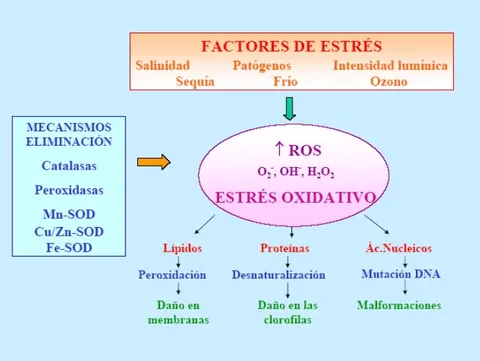
Levels of natural defence:
- Active, thanks to its physical barriers (cuticle, cell wall, etc..) and its chemical barriers (terpenes, alkaloids, phenols, etc..)
- Passive, through the activation of its “Local Resistance” and its “Systemic Resistance”
The best-known elicitor to date is phosphite (HPO3-2), which stimulates the formation of phytoalexins, substances related to terpenes, alkaloids, phenols and complex acids, with various antimicrobial functions. The phytoalexins formed through the action of phosphites have a specific effect on fungi of the Oomycete family (Phytophthora, Pythium…).
The use of products that naturally stimulate resistance is fundamental to intelligent turf management.
Over the last decade there have been significant advances regarding new elicitors or activators of induced resistance, both in knowledge and in the understanding and acceptance of their importance. Currently, research into the activation and repression of genes that code for proteins conferring resistance to diseases and pathogens in turf has led to the discovery of other elicitor substances, phenolic in nature such as Salicylic Acid (SA), oxylipins such as Jasmonic Acid (JA) and other hormones such as Ethylene (ET) and Abscisic Acid (ABA).
The first level of stress response in our turf is local and involves the synthesis of phytoalexins, linked to an increase in the enzyme phenylalanine ammonia-lyase (PAL); its increase is associated with greater resistance to viruses, bacteria, fungi and insects.
The next level of response involves the systemic processes associated with the expression of PR defence genes (Hammerschimidt 1999) against fungi, bacteria, viruses or nematodes (Ryals et al 1996). Salicylic acid is involved in this level of systemic response (Mauch-Mani and Metraux 1998).
If you need to know more about how to activate the natural defence systems of your greens, tees or football pitches, write to us at info@tiloom.com.
At Tiloom we have the most advanced products for promoting natural resistance.

Carlos Ortiz del Río, graduate in Economics and Business Studies. Since April 2002, Manager of TRY COMPANY ABONOS and Technical and Commercial Manager for all the company's liquid nutritional fertilisers.