

The forms of phosphorus in soil are very diverse. In soils, few elements occur in pure form; they are always found as salts, oxides or other more or less soluble molecules. As is the case with potassiumPhosphorus is very present in the soil and is moderately abundant, but the part available to the plant always represents a low percentage of the total. For phosphorus to be absorbable, it needs to be dissolved in the soil, but this element combines easily, generating stable and insoluble molecules.
Rocks have high concentrations of phosphorus, but not all of them equally. Soils from igneous and basalt rocks are richer than granitic or sedimentary rocks. Typical contents of total phosphorus (both soluble and insoluble) in soils vary from 150 to 700 µg/g (Wild 1988), but even with these soil concentrations the nutritional deficiencies are frequent.
Phosphorus is assimilated by plants as two inorganic molecules, H2PO4‾ and HPO4²‾, via phosphorus present in the organic matter and thanks to fertilisation. The concentration of naturally solubilised phosphorus is not sufficient to cover the needs of the crop cycle. So a very important part of the assimilable phosphorus comes from the replenishment of the other phosphorus sources in the soil to the soluble fraction, mostly organic matter. The driver of this replenishment is the imbalance that the crop produces in the soil through phosphorus extraction. In high yielding crops, fertilisation helps to maintain high levels of phosphorus in the soil.
Organic phosphorus normally occurs in the first few centimetres of the soil. It represents a very important source of phosphorus for the soil. During its mineralisation, a large part of it quickly combines into insoluble forms, but micro-organisms can attack it to complete their life cycles. This biota represents part of the nutrition phosphate from plants as their by-products can be assimilated by crops (McKercher and Tollefson 1978, Can. J. Soil Sci. 58, 103-105). In addition, some of these micro-organisms are actively involved in soil exploration through symbiotic relationships. Phosphorus does not dissolve easily, so its mobility is limited and plants without the help of mycorrhizal fungi could only rely on the phosphorus present in the areas closest to their roots.
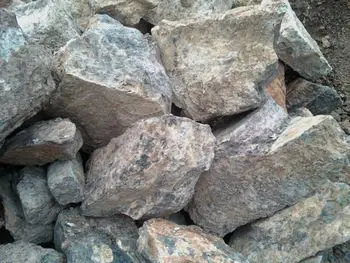
In soils phosphoric rocks such as apatite can be effective phosphorus inputs, but in alkaline soils they have hardly any dissolving capacity. In general, rocks (even ground) are not viable forms of fertilisation in the short term, as they need to weather before they can be processed by micro-organisms or dissolved in representative proportions.
As we have seen in this entry, the main phosphorus in the soil is the one present in the organic matter, which allows maintaining the concentration of soluble phosphorus at an adequate rate. Phosphorus and the balance mechanism between labile and inaccessible phosphorus is a very complicated subject to study. We leave you a much more detailed scientific article that you can consult to know more about the forms of phosphorus in the soil.
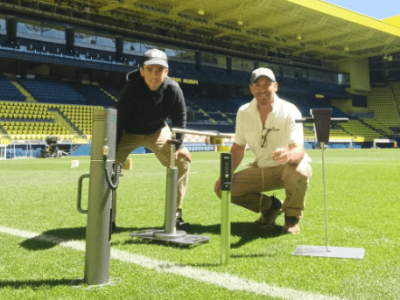
Our analysis interpretation can help you make decisions when planning application schedules, and tools like the POGO, TDR or sensors Laqua Twin are fantastic methods of monitoring soil nutrients. These devices allow you to monitor nutrient consumption and save a lot of money in laboratory analysis.
 Español Español
  English (UK)
 Português
 Français
 Italiano
 Deutsch
 العربية



One Response
what is H2PO4‾ and HPO4²‾ I don't understand what they tell me.