
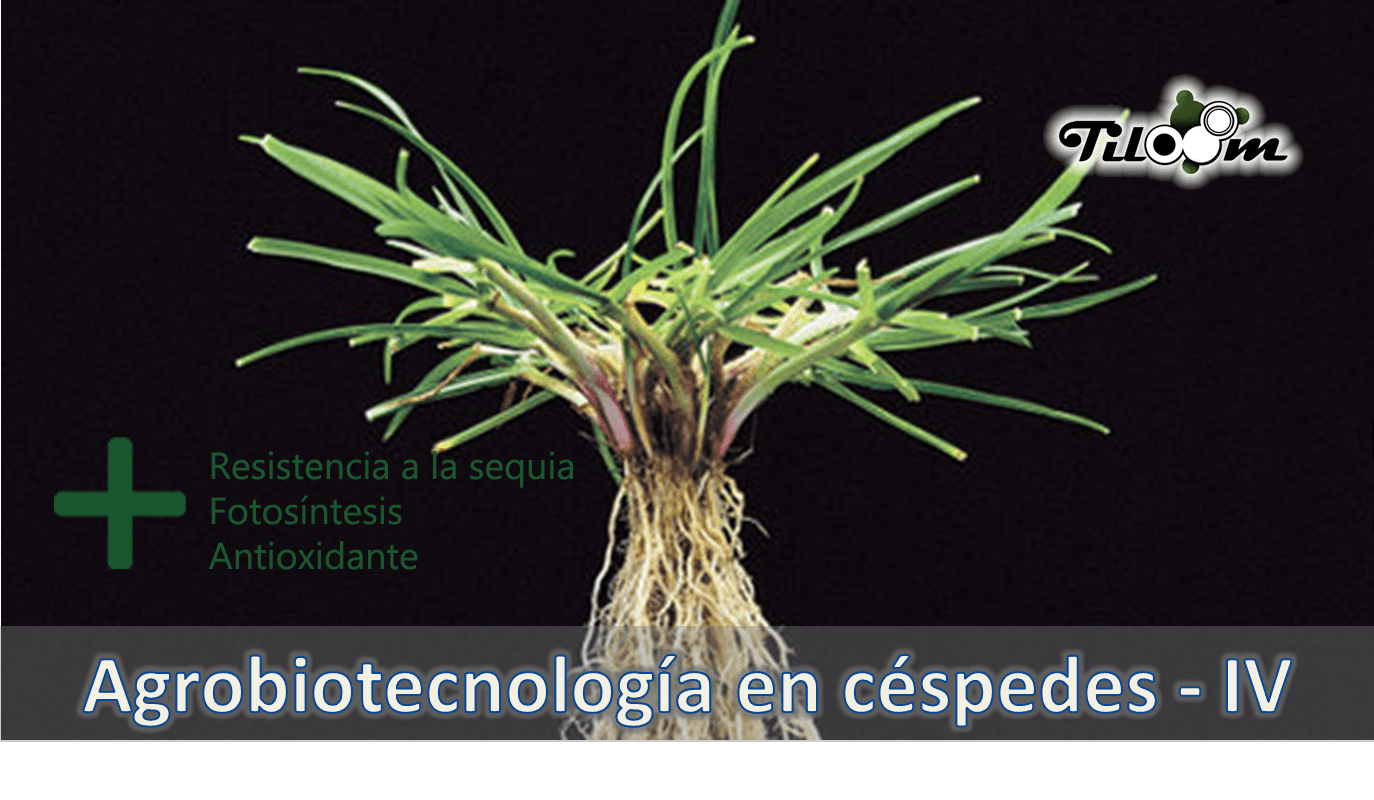
Salicylic acid reminds us of a very popular medicine for treating pain, inflammation and fever. In this case, salicylic acid helps plants to get through other kinds of bad times.
These studies show that under stress conditions, plants that had access to salicylic acid improved biochemical and physiological characteristics and reduced post-drought stress.
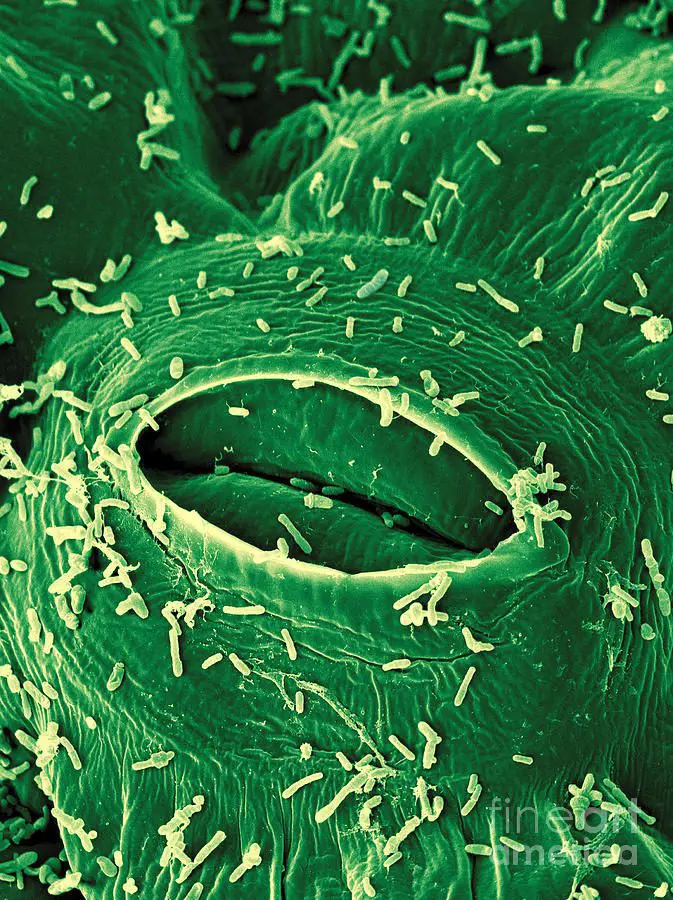
Salicylic acid improves the stability and permeability of the cell membrane, thereby significantly reducing the loss of electrolytes in the plant. Furthermore, this compound has the ability to keep the stomata in good condition and to preserve the chlorophyll even under stress. Under normal conditions, without salicylic acid, more chloroplasts and chlorophyll would have been destroyed and the destructive enzymatic activity would have increased, meaning that once the hydric stress The quality of the plant would be worse if the problem was solved.
Salicylic acid has the ability to enhance metabolic responses such as:
Cultivate the rhizosphere is essential to increase the production of natural salicylic acid. Some species such as Sinorhizobium mililoti, Pseudomonas aeruginosa, Staphylococcus aureus o Agrobacterium tumefaciens are natural producers of salicylic acid and can be searched for in the profile with analysis of micro-organisms.
 Español Español
  English (UK)
 Português
 Français
 Italiano
 Deutsch
 العربية