

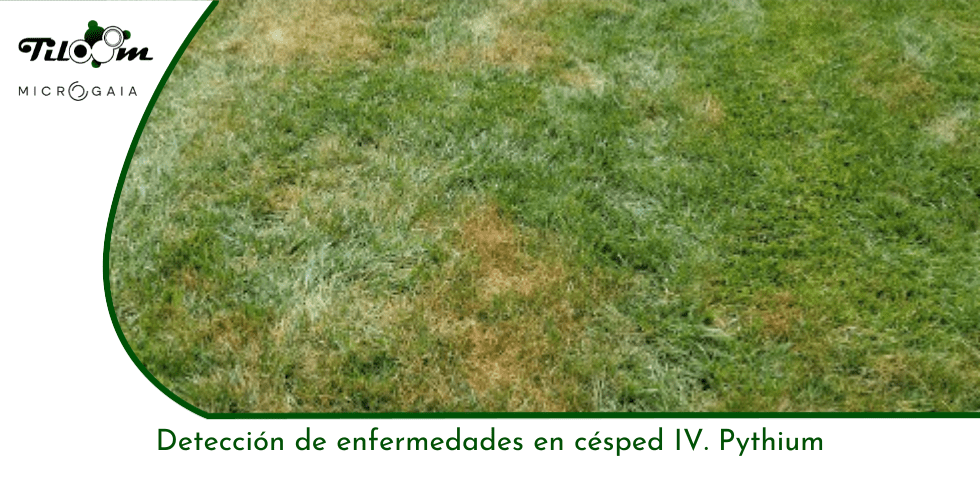
Pythium is a genus of oomycete fungi, plant pathogens that can cause devastating diseases in turfgrass. Pythium scorch was first mentioned in the 1930s, although it was not recognised as a problem in some areas of the USA until 1954. Initially thought to be exclusive to golf course turfgrasses, it is now recognised as a problem in all types of turfgrasses, both summer and winter, throughout the world.
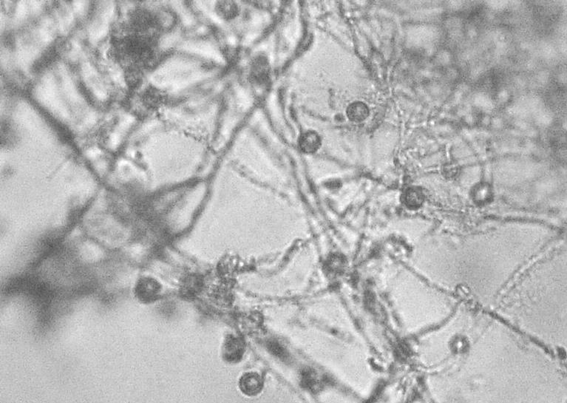
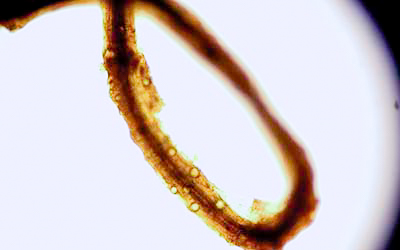
Pythium blight is caused by the fungus Pythium aphanidermatumwhich belongs to the genus Pythium, classified as an oomycete or aquatic mould. Unlike true fungi, Pythium species form hyphae devoid of septa and contain cellulose in their cell walls. These characteristics distinguish them as oomycetes.
In addition, Pythium species have been found to be located within the phylum Oomycota and are related to brown algae in the kingdom Stramenopila.
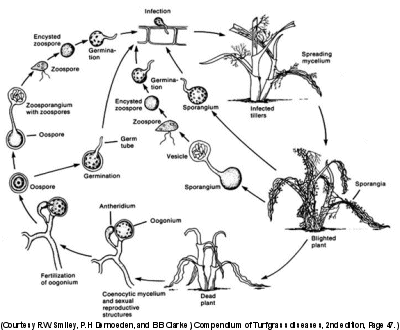
Survival of the fungus occurs mainly through oospores in the root zone of the turf and in thatch, as well as through the vegetative mycelium on leaves and roots. Infection of turf leaves occurs by direct penetration of vegetative hyphae or zoospores, and the disease can be spread through movement of Pythium propagules in infected areas, such as transport of soil or thatch to other areas and dispersal of zoospores in high humidity conditions.
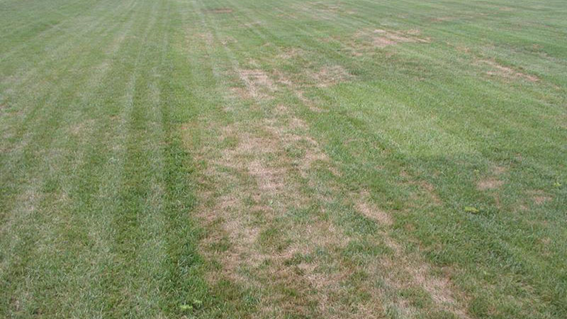
Symptoms of Pythium blight are visible during hot and humid weatherwhen grass blades remain wet for more than 12 hours. The disease is particularly damaging when daytime temperatures exceed 28°C (82°F) and night-time temperatures do not fall below 20°C (68°F).
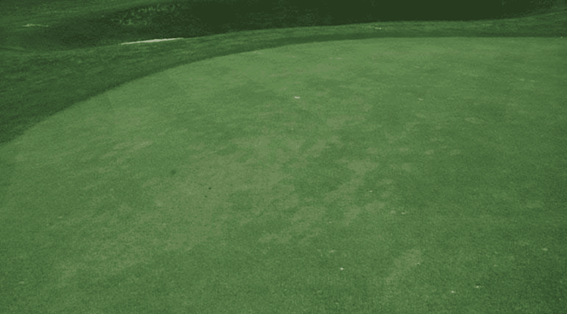
The first symptoms appear as water infiltrated leaves which produce a dark green colour to purple, which are added in patches or rings of irregular appearance or circular patches in grassy areas. These patches may reach 20 cm (0.4 to >8 inches) in diameter. No distinct lesions form on infected leaves, and when rubbed with the fingers they are slimy or greasy.
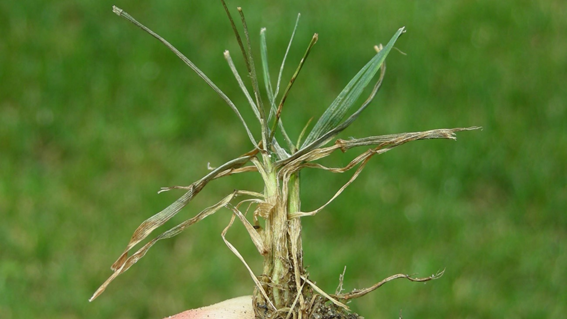
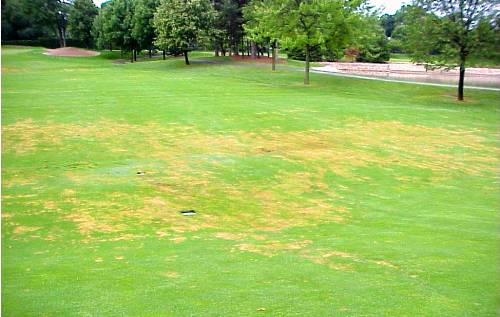
Patches of infected turf can grow and clump together, causing serious damage to turf areas, golf courses and stadiums. In addition to foliar symptoms, collar, stolon and root rots are frequently associated with Pythium blight.
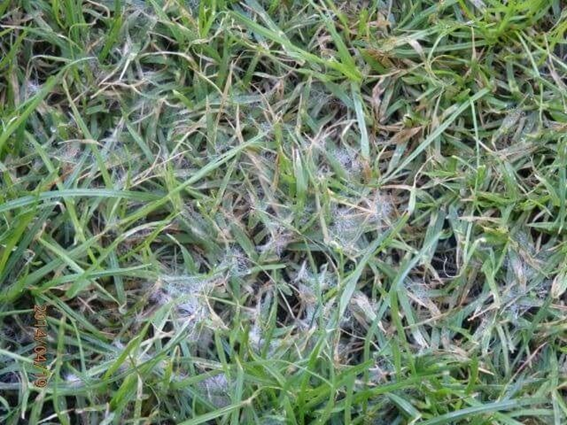
The disease can affect small or large areas, especially on heavily maintained golf course greens, and can spread to other nearby susceptible turfgrass plants.
Conditions favouring Pythium scorch disease include high levels of soil salinity, drought stress, local factors favouring water flow, and high levels of nitrogen fertilisation.
These factors, combined with high temperatures and humidity, create conditions conducive to the development of the disease.
Grass species most susceptible to Pythium include Poa annuathe Raygrass (Lolium perenne) and the Festuca arundinaceawhich are highly susceptible to disease. On the other hand, fine fescues (Festuca spp.) and the Poa pratensis are less susceptible. Furthermore, some cultivars of poa pratensis, ryegrass and tall fescue have shown moderate resistance to P. aphanidermatum and other Pythium species.
Regarding cultural control, it is recommended:
Chemical control of Pythium blight involves the use of effective fungicides to combat the disease.
Some of the commercial products labelled against Pythium scorch include Companion (Bacillus subtilis strain GB03), Double Nickel LC (Bacillus amyloliquefaciens strain D747), TurfMate™ (Trichoderma harzianum), Turfshield (Trichoderma harzianum Rifai strain T22 + Trichoderma viride strain G41), and Regalia (a plant extract from Reynoutria sachalinensis).
In addition, fungicides of various chemical classes have been used for the control of Pythium scorch, such as aromatic hydrocarbons, carbamates, dithiocarbamates, phenylamides, phosphonates, external quinone inhibitors (QoIs, including strobilurins) and internal quinone inhibitors (Qil's including cyano-imidazoles).
It is important to note that repeated use of a Pythium-specific fungicide, especially metalaxyl or mefenoxam (phenylamides), may select resistant populations of P. aphanidermatum.
The most effective way to diagnose Pythium is by testing for qPCR fast where we can identify dozens of diseases with a single sample.

Do you need to efficiently diagnose the incidence of Pythium? Contact Tiloom at info@tiloom.com and in less than 48 hours you will have the answer through a qPCR diagnostic analysis of the most common grass diseases.
Accurate knowledge of potential diseases affecting your lawn will enable you to act preventively and manage it in the most effective way. sustainable and efficient possible.
Hagan, A. 2004. Controlling Pythium Blight on Overseeded and Established Turf. Alabama Cooperative Extension System. Bulletin ANR-594.
Kerns, J. P., and L. P. Tredway. 2008. P. volutum can be the cause for Pythium root dysfunction. Turfgrass Trends J. May:67-72.
Latin, R. 2007. Pythium Blight. Turfgrass Disease Profiles. Purdue Univ. Cooperative Extension Publication. BP-109-W.
Tredway, L. P., G. G. Wilkerson, B. R. Lassiter, J. J. Reynolds and G. S. Budol. 2008. Pythium Root Dysfunction. North Carolina State Univ. [Online] Available at www.turffiles.ncsu.edu.
Vencelli, P., and A. J. Powell. 2008. Chemical ontrol of Turf Diseases 2008. Univ. of Kentucky Cooperative Extension Service, Publication No. PPA1.
 Español Español
  English (UK)
 Português
 Français
 Italiano
 Deutsch
 العربية



2 responses
Bom dia! O meu relvado apresenta zonas de relva com aspeto seco. Sempre que resolvo os locais que apresentam este aspeto, aparecem logo a seguir mais locais com o mesmo problema. As far as I know, the problem is pathogenic and can be identified as pithium.
Bom dia,
O que descreve poderá estar relacionado com a presença de Pythium, um patógeno que se desenvolve em condições de elevada humidade e stress no relvado.
At Tiloom, we can help you with solutions such as TurfRadar, which monitors in real time the conditions of the soil and the reed, allowing you to anticipate risk areas before symptoms appear. We also recommend the use of Turfkeeper to efficiently plan and record all phytosanitary interventions.
We are at your disposal for further information or to schedule a demonstration.