
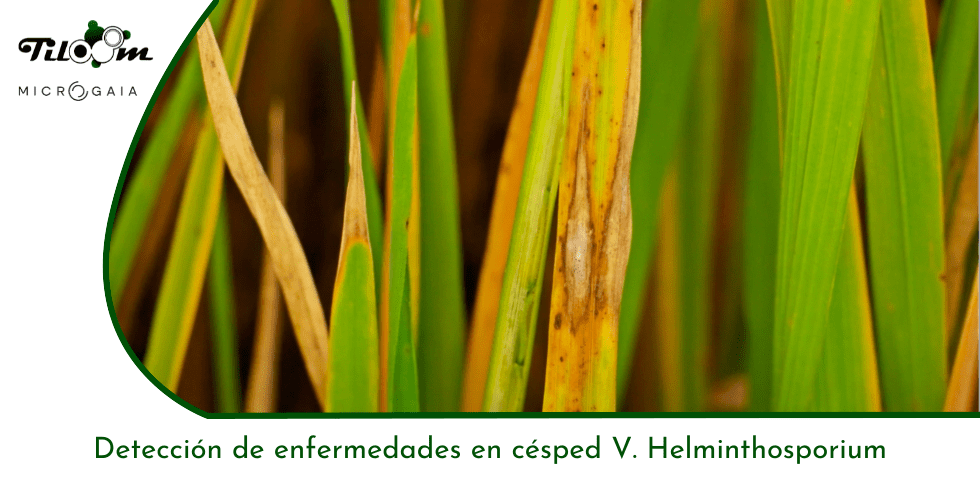
Detection of diseases in turfgrass is an arduous and difficult task. The common name Helminthosporium is derived from the former scientific name (Helminthosporium spp.) of this leaf spot disease complex, which nowadays, following changes in taxonomy, has been established to be caused by fungal species of the genera Drechslera spp, Curvularia spp, Bipolaris spp and Exserohilum spp.
| Disease | Pathogen | Host |
| Melting out | Drecheslera poae | Poa Pratensis, bufalograss |
| Helminthosporium | Bipolaris sorokiniana | Poa pratensis, agrostis, Poa annua, fescues, ryegrass, bermuda |
| Red leaf spot | Drechslera erythrospila | Agrostis |
| Helminthosporium blight | Drechslera dictyoides | Fescue, ryegrass, Poa pratensis |
| Zonate eyespot | Drechslera | Bermuda, agrostis and Poa annua |
Source: L.B.McCarty, Best Golf Course Management Practices
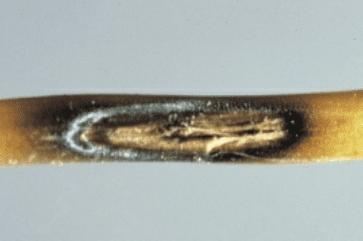
Symptomatology includes brown to purple leaf spots, black with grey centres on leaves, etc. depending on the host. In the most extreme cases the entire lawn may fade completely. Drechslera occurs predominantly on winter turf in spring and autumn.
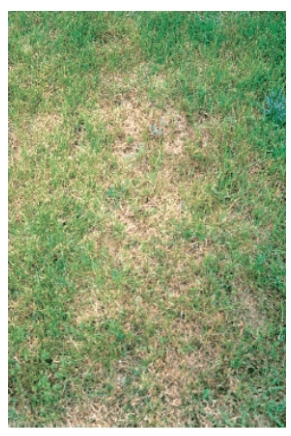
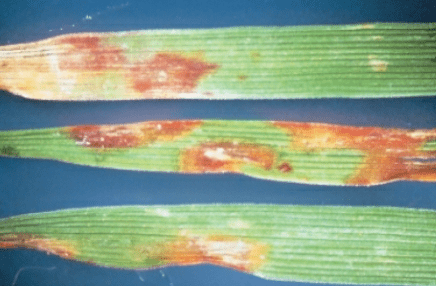
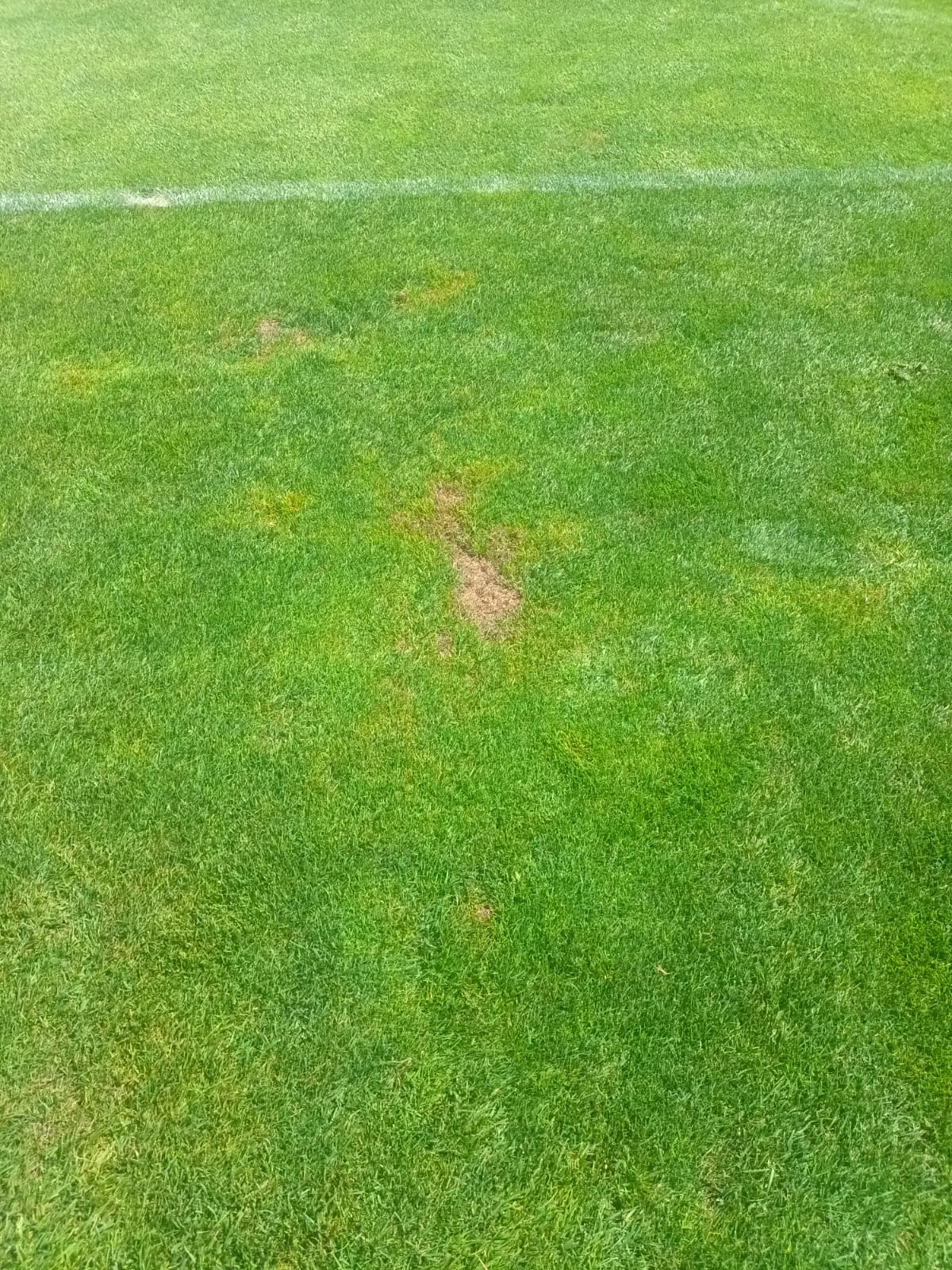
These fungi are very active all the time, except when the soil is frozen or excessively warm. The roots, rhizomes and lower leaves are infected by the mycelium that grows from the remains of mowing and thatch, and this thin layer of dew or humidity is necessary (for more than 10 hours and consecutive days), which is why this microenvironment of humidity and optimum temperatures between 15 and 18ºC are necessary (although they can occur with wider temperature intervals, between 3 and 27ºC), low light intensity (new, much more closed football stages) and excessive nitrogen fertilisation.
These fungi produce a brown mycelium that grows inside and along the grass blade, producing conidia and conidia that are spread to healthy blades by wind, rain, irrigation water, mowers, etc...
Do you have similar symptoms? Get out of doubt by writing to info@tiloom.com and we will send your samples for analysis via qPCR.
 Español Español
  English (UK)
 Português
 Français
 Italiano
 Deutsch
 العربية