
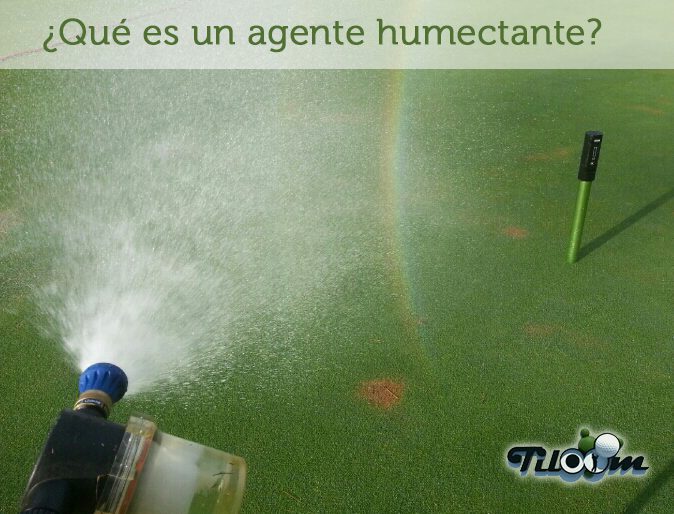
An agent moisturiser is any compound that makes it easier for a liquid, in our case the water from irrigation, The water is more easily penetrated into the soil surface, through a decrease in the surface tension of the liquid and the attraction of the water to the solid particles through mechanisms of these compounds such as polar attraction.

There are many different modes of action of surfactants and, therefore, in order to make the right choice, their mechanisms of action must be understood. Thus, there are different surfactants or surfactant agents (wetting agents):
1.-AnionicThey are negatively charged. Generally they wet quickly, but depending on the application rate, they can be phytotoxic. In addition, due to the negative charges, they can cause dispersion of clays, thus de-structuring fine-textured soils.
2.-Non-ionic:
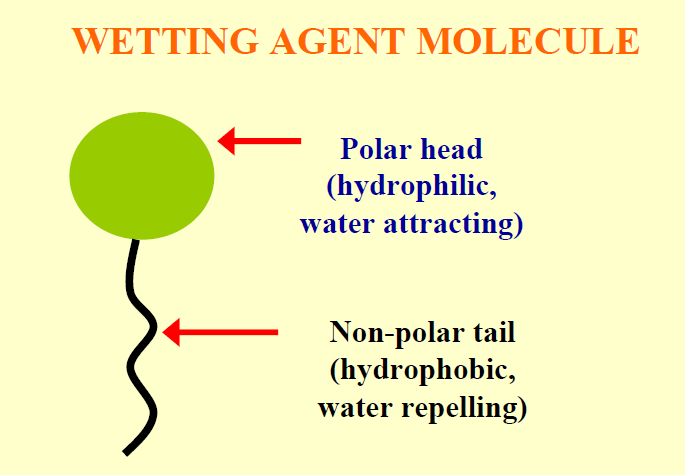
a) Penetrants, straight-chain: with one half hydrophobic and one half hydrophilic. Moves water downward in the soil profileIt is therefore recommended in the washing of salts and/or in combination with calcium source inputs for its cation exchange with Sodium (to be applied in cases of the presence of black layers).
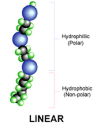
b) Moisturisers: consist of a chain of linear molecules. Water is chain-locked.

Keeps water in the soil profile, interesting in soils with low water holding capacity.
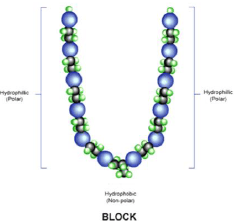
c) Moisturiser blends: possibly more effective in correcting "dryness" as well as improving overall quality.
FieldScout TDR 350 | Soil Moisture Meter with GPS & Bluetooth
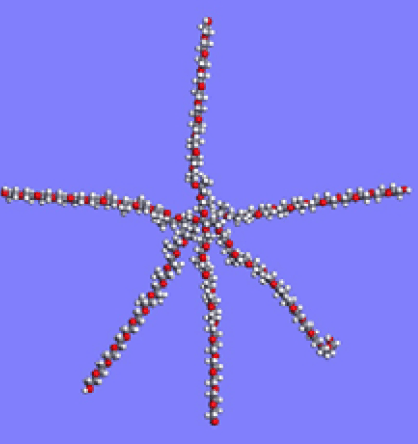
3.- Cationic: not generally used as surfactants due to their strong biocidal character. They are disinfectants and can be very aggressive towards plant tissues. They are not used in our industry.
"The best ways of wetting hydrophobic areas are to carry out prior work in the area. aerationapply the surfactants and water the area, without letting it dry. "
In summary, there are many different surfactants, but by knowing the strengths and weaknesses of each one we can make optimal use of them. Ask your distributor about the mechanism or type of surfactant he is offering to get the most out of them.
POGO Pro + | Advanced monitoring of sports and agricultural surfaces
You can use instruments to find the dry spots in your field and act on them:
Thank you for your trust in Tiloom
 Español Español
  English (UK)
 Português
 Français
 Italiano
 Deutsch
 العربية