
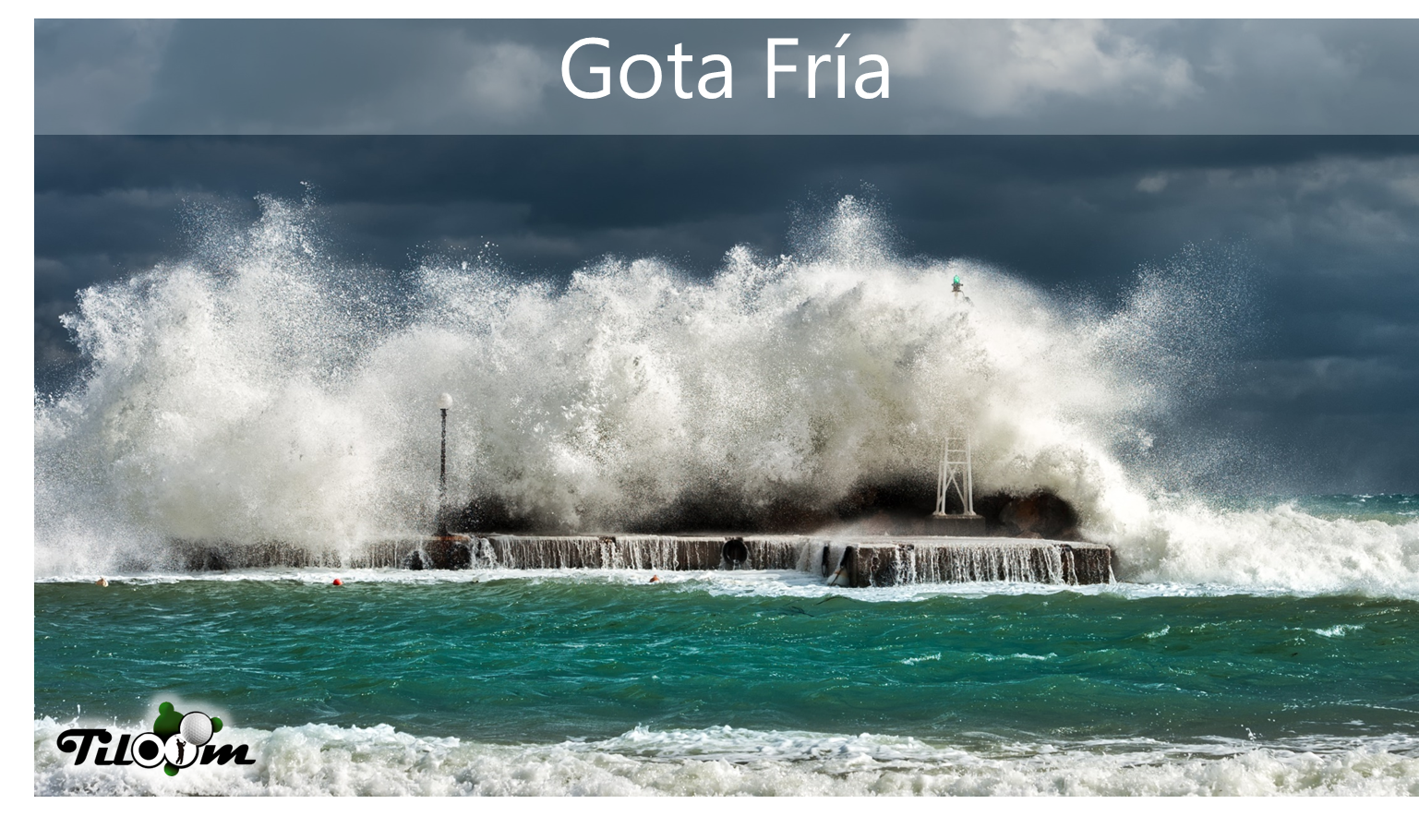
Have you heard of the COLD DROP?
The COLD DROPThe extreme weather phenomenon, an extreme weather event, is particularly relevant for those working in agriculture and lawn care. This article provides a comprehensive overview of how it affects these sectors and what measures can be taken to mitigate its effects. In this article, we will look at what is cold drop?what are their causes and repercussionsand how we can protect ourselves from its effects.
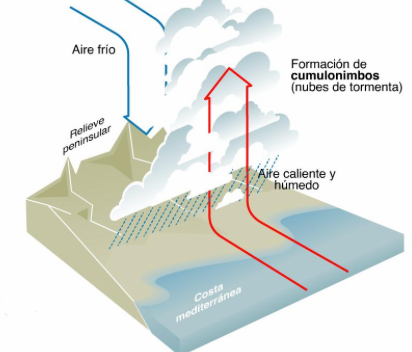
The Cold Dropknown in meteorology as DANA (Isolated High-Level Atmospheric Depression) occurs when a cold air mass (at a certain altitude) is abruptly surrounded by warm air. The cold, dense air descends towards the earth's surface and forces the warm, humid air to rise, rapidly forming a cloud that causes heavy rainfall that can produce floods.
A Cold Drop is formed when three events coincide: warm sea, unstable surface atmosphere and cold air aloft. When the sea is located at high temperaturesIt gives off a lot of water vapour. If in this situation a squall or cold front arrives and there is a cold air pocket at altitude, a situation of instability of the surface air is produced, which increases as we ascend. The water vapour released by the sea in large quantities, rises in the wake of instability and condenses as it meets the cold zone, clouds forming which can enlarge at high speed due to the ease with which the rising vapour can rise upwards. until it encounters colder areas and, in this way, becoming more and more condensed water. This means that in a very few hours, water can form large storm clouds.
The golf courses (especially those in the coastal area of the Mediterranean) can be seen affected This is why it is necessary to take into account the possible effects of this meteorological event. destruction that may be caused by them (such as falling trees, flooding of certain areas, problems in the terrain, etc.).
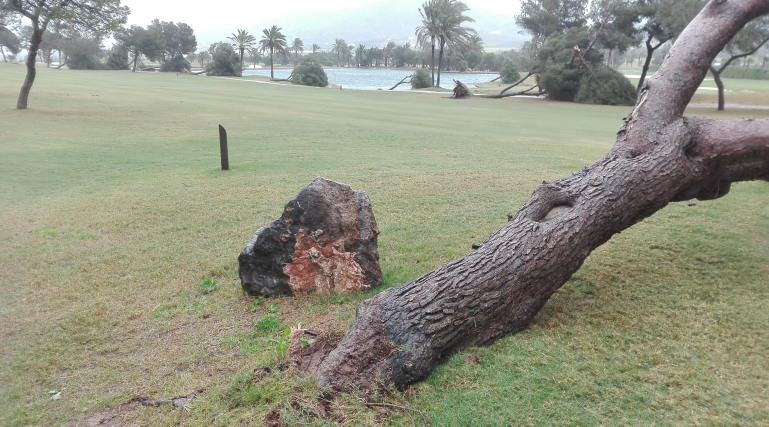
This type of heavy rainfall can have the following effects on turf:
Cold drops are a meteorological phenomenon that mainly occurs in regions with climatic conditions and geographic areas. The most affected areas and their characteristics are summarised here:
In these regions, cold drop is characterised by the rapid formation of heavy rainfall and storms, often with severe consequences such as flooding. The phenomenon is most common during seasonal changes, especially from summer to autumn.
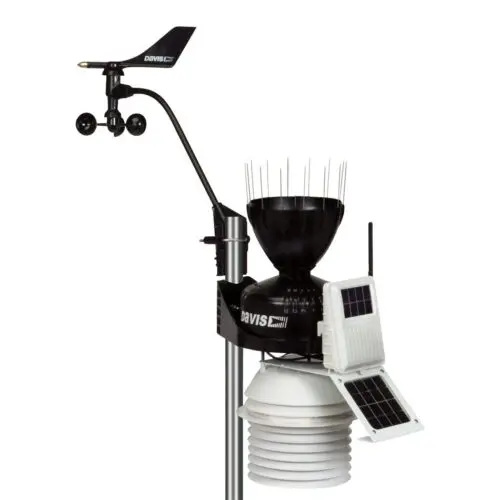
Having a weather station is the perfect tool to know both the environmental humidity and all the necessary variables for an adequate management of the field in order to foresee possible harmful consequences.
Contingency plans are crucial to mitigate the impacts of cold drop on agriculture and turf care. These should be tailored to the specific characteristics of each area and type of crop or turf:
Cold drop presents significant challenges, but with proper planning and the implementation of effective strategies such as early warning systemsmitigating their effects is possible. Collaboration between agronomists, greenkeepers, farmers and scientists is vital to develop innovative and sustainable solutions.
 Español Español
  English (UK)
 Português
 Français
 Italiano
 Deutsch
 العربية