The streets in a golf course, provided the original profile has not been altered, they may exhibit a soil horizon with high levels of gypsumeither as a result of the gypsum (dissolved from the parent materials) or as a result of the gypsum (dissolved from the parent materials) gipsypheros) has been mobilised through the soil with moisture, precipitating in an accumulation layer, or as a result of the utilisation of water from irrigation with high sulphate concentration.
The combination of sulphate water and other sources of calcium leads to the formation of calcium sulphate, gypsum.
These situations occur predominantly in very dry geographic areas in arid zones, where high rates of evapotranspiration. If a calcium carbonate layer is present, it will occur at a greater depth. Gypsum may precipitate as fine, white, powdery, powdery crystals, following root fractures in the soil. It may also come from enclaves where there is sulphate-rich groundwater at shallow depths.
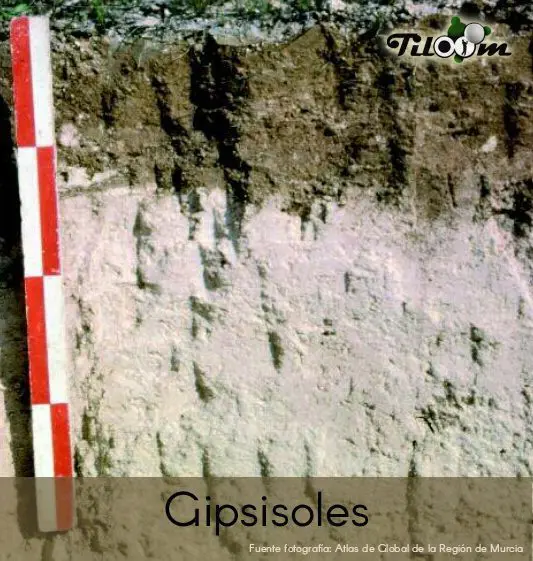
The main characteristic of these soils with a high gypsum content (or gipsisoles) is the formation of a 20-40 cm thick, low organic content, yellowish-brown clayey horizon on a pale brown sub-surface soil with pockets of white gypsum. Gypsum accumulation forms in the deepest layer.
The measures of VWC (volumetric water contentor volumetric water content) They are usually between 20 and 40%. Gypsum contents exceeding 25% affect the nutrient balance, reducing the availability of the most essential elements such as phosphorus, potassium and magnesium.
If you want to know the influence of gypsum on your soil, you can consult Tiloom by writing to us at info@tiloom.com.


 Español
  English (UK)
 Português
 Français
 Italiano
 Deutsch
 العربية