
The weed control Weed control is one of the most difficult tasks to carry out on lawns because many herbicides affect both the weed as well as to the desired lawn.
Biologically, cold climate turfgrasses are very similar to the weeds perennials and chemicals affect both equally. Control can be achieved by using common herbicides applied surgically, only on the plants to be eliminated, although contamination to the desired plants is common.
For example, glyphosate would be a good tool for this purpose. After its effect, the chemical degrades quickly and after 10 days it could be reseeded. In the case of C4 grasses, some herbicides can act selectively.
Some plants are not caespitose, but look very similar to it, such as onions, wild garlic or Cyperus. Herbicides such as Bentazon may only be effective on some and others such as sulphosulphuron are effective on all of them. 2,4-D and dicamba are effective on onions and wild garlic.
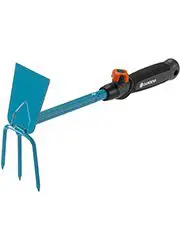
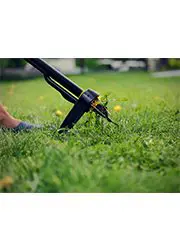
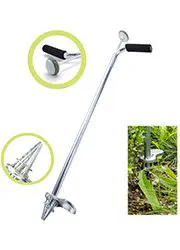
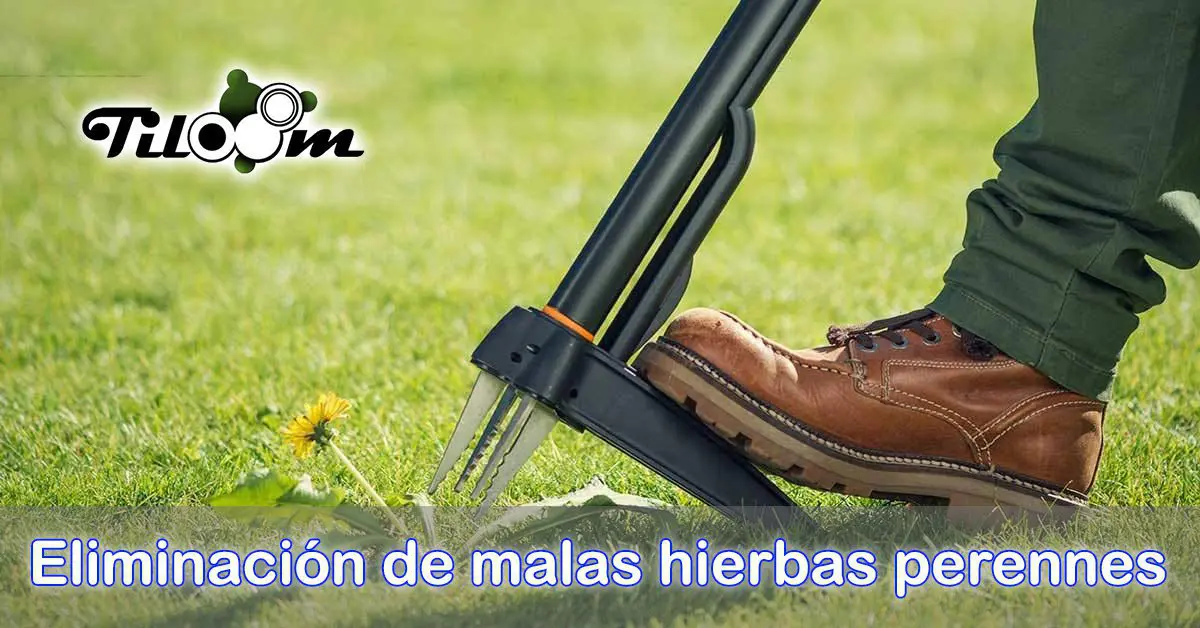
The other major way to control perennial weeds is by mechanical removal of the plants. Weeding is an effective way of removing annual weeds, although it can be very labour-intensive and leave unsightly areas.
Whenever we talk about phytosanitary products The relevant authority should be consulted to ascertain whether the chemicals are covered by current legislation.
 Español Español
  English (UK)
 Português
 Français
 Italiano
 Deutsch
 العربية