Vermicomposting for Sports Surfaces
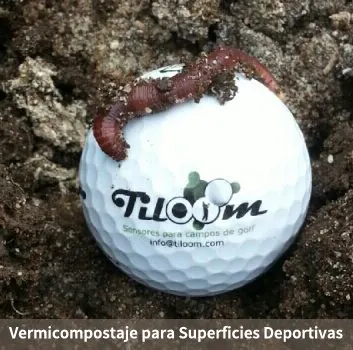 PHOTO · TILOOM

The vermicomposting is a process of bio-oxidation, degradation, and stabilisation of the organic matterby the combined action of earthworms and micro-organismsThis process produces a stabilised, homogeneous and fine-grained end product, the vermicompost.
There are many cases of golf resorts, where various organic matter residues can be used as a source of carbon for this process; for example, sewage sludge from the urbanisations themselves. This source of carbon is ideal for vermicomposting.
Factors to be taken into account are the temperatureThe range between 10 and 35 °C (optimum 25°C) is necessary; humidity around 80%; stocking density; source of organic matter presenting an adequate physical structure, pH adequate, C/N ratio, etc..
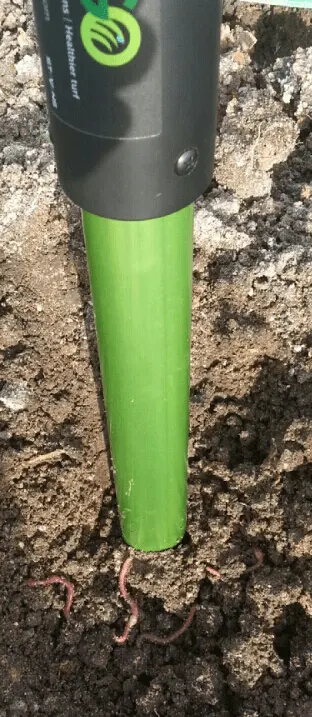
The recycling of the cannibal remains of the prickers is ideal for reducing the density of the sewage sludge used as a source of carbon for vermicomposting.
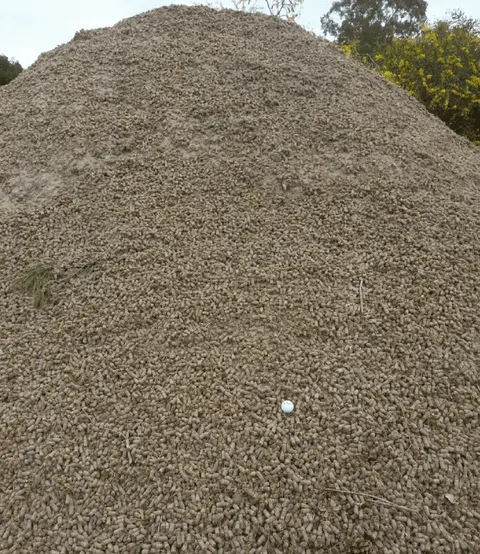
The mixture of sewage sludge with the remains of the pricker sludge produces a mixture of vermicompost - sand, which is suitable as a substrate for sports surfaces.
The yield should be around 60% in vermicompost production; the transformation process is around 3 months.