

How to protect your lawn against heat? This question has answers that we will answer in this post. Let's not forget that heat is usually terrible news for C3 grasses, also known as cool season grasses.
Heat stress is multiplied in the presence of drought. But usually when the ambient temperature rises for a few days above the range for a species the survival of the plant can be put in question.
Each species has different ranges. Below is a list of the most common grasses in order from most resistant to least resistant.
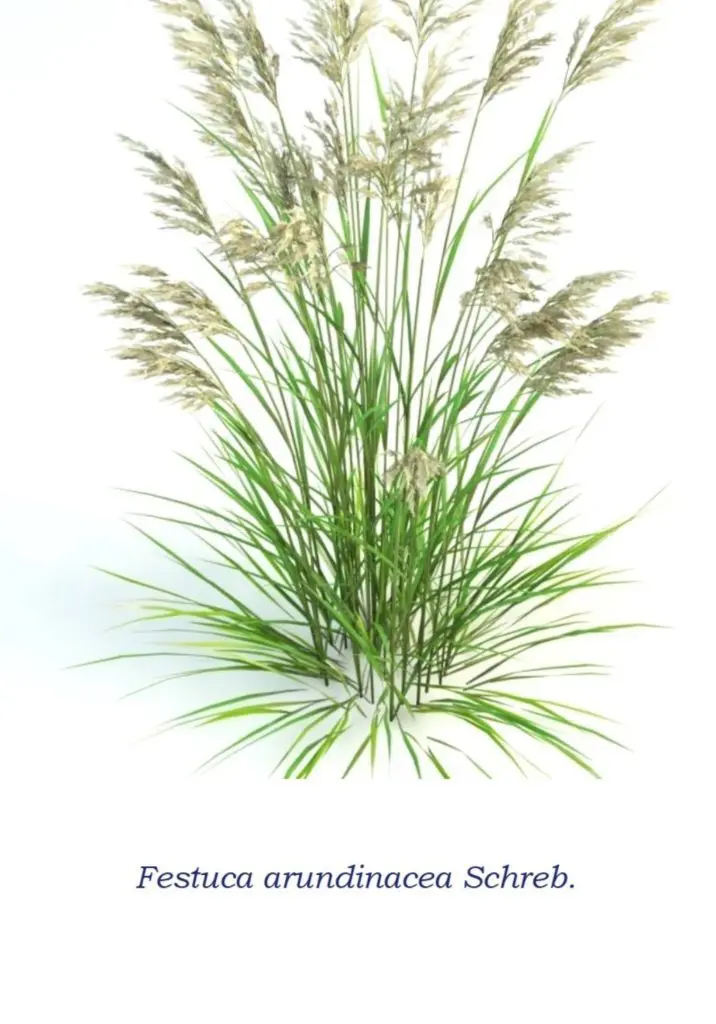
More heat tolerant
Less tolerant
From the list above, Poa Trivialis and Annua are noticeably more sensitive to heat than Festuca Arundinacea. It is true that there are cultivars that have better heat resistance so seed companies and nurseries will be able to help you if you want a more heat resistant Lolium meadow than usual.

Price: 75€ Price: 75€ Price: 75€ Price: 75€ Price: 75€ Price: 75€
Buy on AmazonAgronomic practices to improve heat tolerance are scarce, so we have highlighted the most resistant species. If heat periods are going to be very extended, it is better to sow C4 plants or to make grassland changes in the warm season and in the winter season.
Once it is clear that the species is key to heat resistance, the next most important thing is to ensure a moist soil for the plant to cool through respiration. Also ensuring an adequate air flow greatly reduces the soil temperature. If a proper ventilation path cannot be established or forced by fans, the other detail that can be controlled is the height of the turf. Raising it slightly may help.
Finally, if the heat is extreme, micro-sprinklers can be applied to wet the lawn so that the grass is not exposed to the sun. evaporation decrease the surface temperature.
 Español Español
  English (UK)
 Português
 Français
 Italiano
 Deutsch
 العربية