


Gray Leaf Spot is a disease that primarily affects the Rye Grass and to the Fstuccos. The fungus pathogen is the so-called Piricularia griseawhich infects and damages leaf tissue.
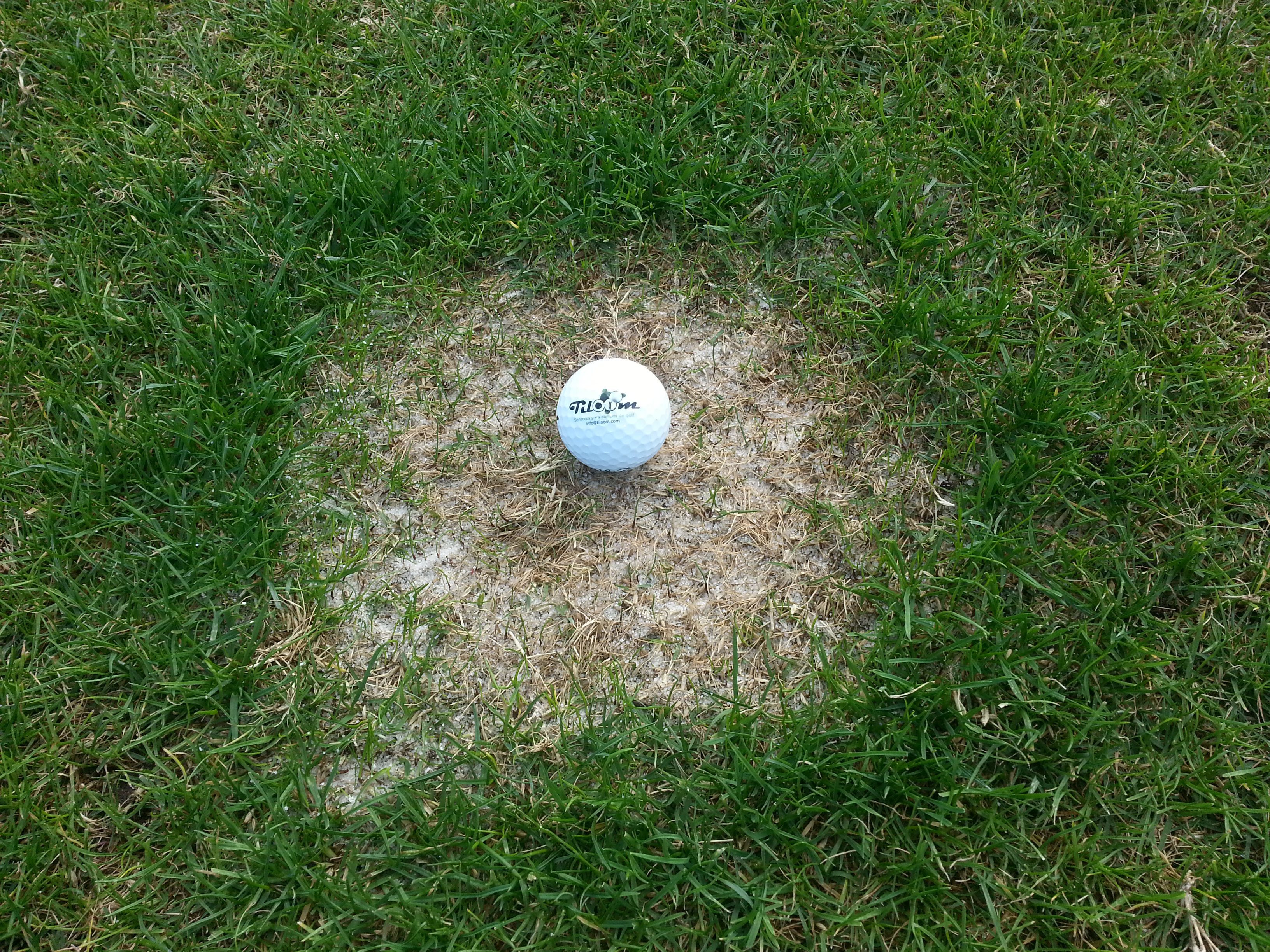
Symptoms are similar to those of water stress, and leaf loss. Development can be very rapid, including loss of the entire surface within a couple of weeks. The mycelium fungus is different from that of the cottony type seen in other diseases such as Dollar Spot, Brown Patch o Pithium.

The pathogen occurs, like so many others, in an inactive form in organic debris from mowing or in the mattress or mattress itself. thatch. In addition, propagation takes place through the production of spores. The most susceptible are those sports surfaces newly sown and with high levels of nitrogen fertilisation.
The best cultural practices are those aimed at reducing leaf humidity. Therefore, reducing morning dew by means of wetting agents designed for this purpose, avoiding afternoon irrigation or even foliar applications of iron that desiccate the leaves are highly recommended.
The most recommended fungicides are Qol-type fungicides such as methylthiophanate, while chlorthalonil or DMI have reduced efficacy.
Today you can diagnose it yourself through your Phytfieldlab kit or we can collect soil samples and analyse it also through qPCR techniques with our partner laboratories. Microgaia Biotech The kit and the detection technology are provided by suppliers.

 Español Español
  English (UK)
 Português
 Français
 Italiano
 Deutsch
 العربية


