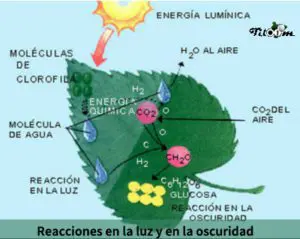


The germination is a delicate process that requires special attention, as once started it is irreversible. Inside the hard portion of the seed (the caryopsis), there is a miniature plant complete with the first leaf and root (radicle) and the filling of the internal space is occupied by the endosperm, which provides the seed with the energy needed to initiate growth. The process begins with the absorption of water and the release of a hormone, gibberellic acid, which is absorbed by the cells to generate enzymes that convert the endosperm into sugars, which is the source of energy for the embryo. Once the first leaf emerges, the process of photosynthesis begins.
The germination time seed production depends on the genetics of the different species. In general, this process takes place more quickly in late summer-autumn, when the soil is warmer than in spring. It is also dependent on the salinity of the soil.
Species days to germination
Agr. palustris 6-10
Agr. capilaris 7-14
Poa pratensis 6-28
Lolium perenne 3-10
Festuca arundinacea 4-12
Festuca rubra 5-12
The use of germination geotextiles is recommended for the establishment of any grass species due to the protection they offer both to the movement of seeds due to the action of the wind and to the flow of irrigation water and to the fact that they increase the temperature with respect to neighbouring areas. There are different thicknesses depending on the need for greater or lesser protection, with those between 18 and 25 grams/square metre being commonly used.

The only negative effect may be a reduction in light penetration, which is only the case with the use of frost protection covers.
High intensity lamps, such as high pressure sodium lamps, can be used to increase the temperature.
The pre-germination of seeds is a technique by which we reduce the time needed for the establishment of the surfaces to be regenerated.
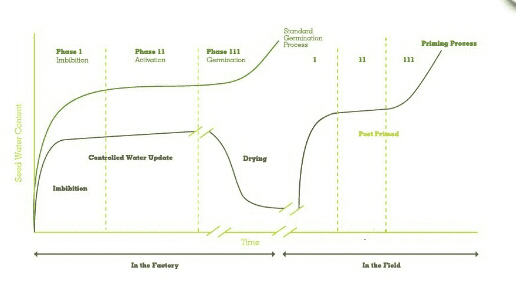
Pre-germination consists of moistening the seed by immersing it in water and placing it in an area with temperatures between 15 and 20 degrees Celsius.
The water should be renewed every 24 hours to remove the germination-inhibiting secretion produced by the seed itself. The submerged seed should be shaken periodically.
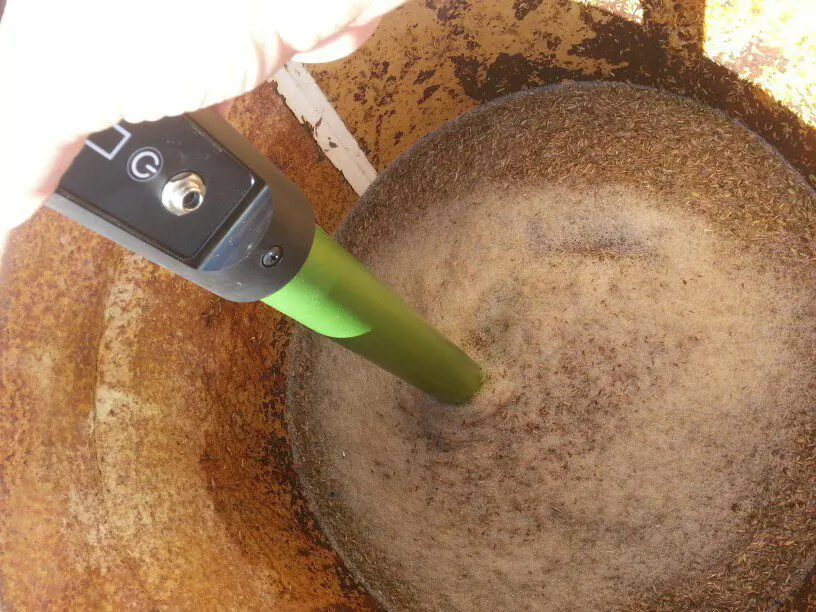
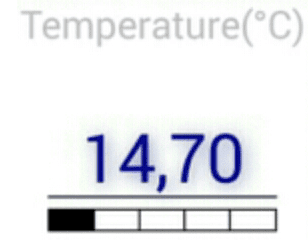
These steps must be repeated for at least two to four days. At the time of application, it should be allowed to dry slightly so that sowing can be carried out properly.

It is also advisable to apply a mixture of sand and or organic-mineral amendments to promote wetting and primary nutrient supply. The use of aerators improves the overall process.
 Español Español
  English (UK)
 Português
 Français
 Italiano
 Deutsch
 العربية