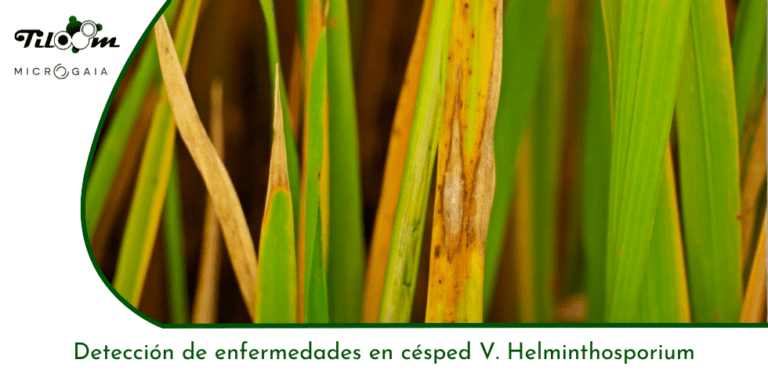
Turf disease detection V: Helminthosporium
Detecting diseases in turfgrass is a difficult and arduous task. The common name of Helminthosporium is derived from

Detecting diseases in turfgrass is a difficult and arduous task. The common name of Helminthosporium is derived from
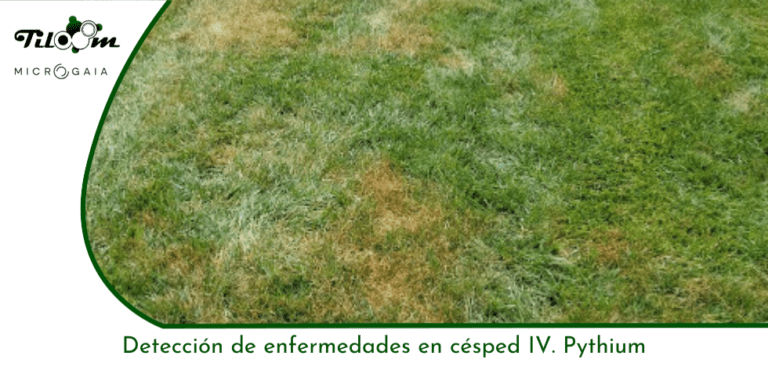
Pythium is a genus of oomycete fungi, plant pathogens that can cause devastating diseases in turfgrass. The scorch
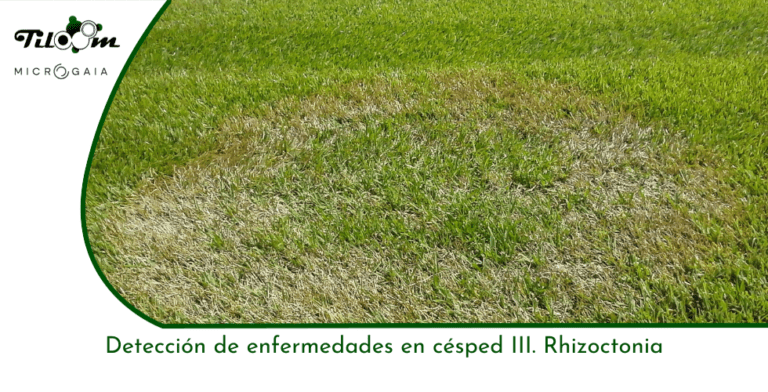
The first identification of Rhizoctonia was made in 1914 by C. D. Piper, director of the USGA, to such a disease.
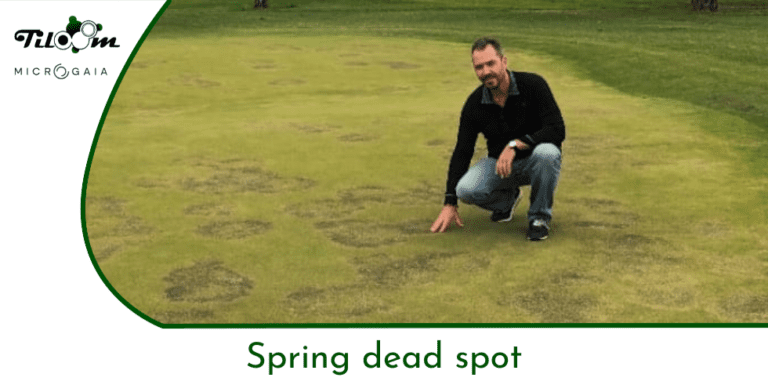
Spring dead spot was first observed in Oklahoma in 1936. The disease is widespread mainly on bermudagrass.
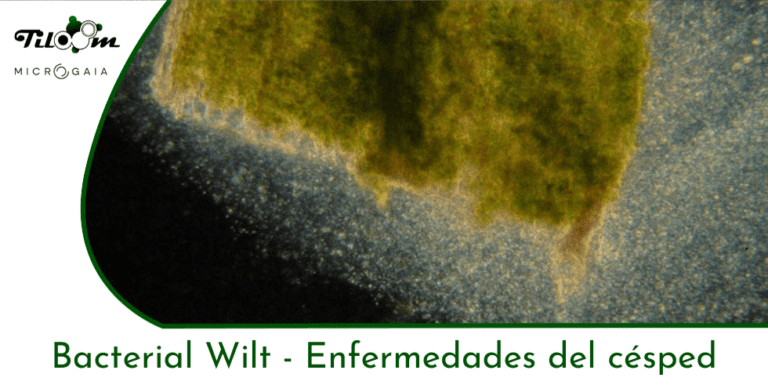
Bacterial Wilt disease, caused by the bacterium Xanthomonas translucens pv. poae, has been detected in several locations,
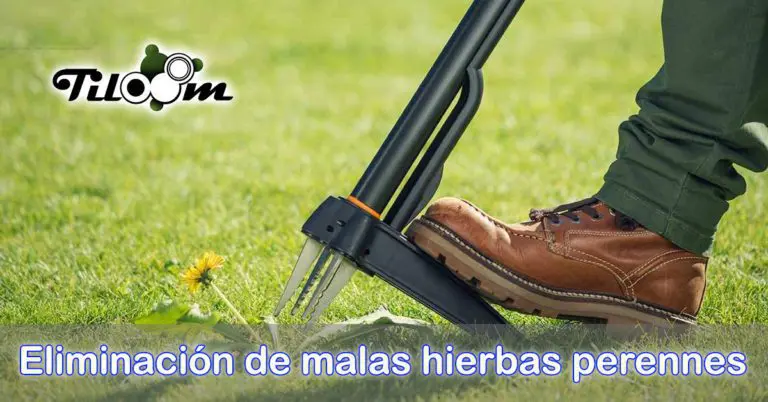
Perennial weed control is one of the most difficult tasks to carry out in turfgrasses because
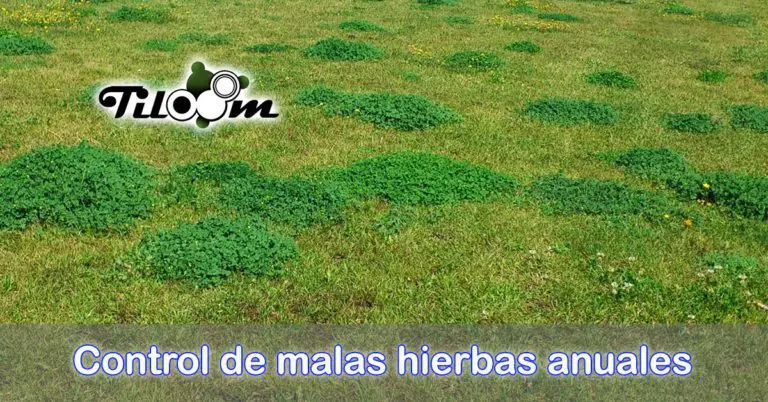
Exercising annual weed control can be a challenge. Seed can come from a variety of sources. It can come in
Ever wondered how a pest model works? Models are becoming very fashionable lately because of the
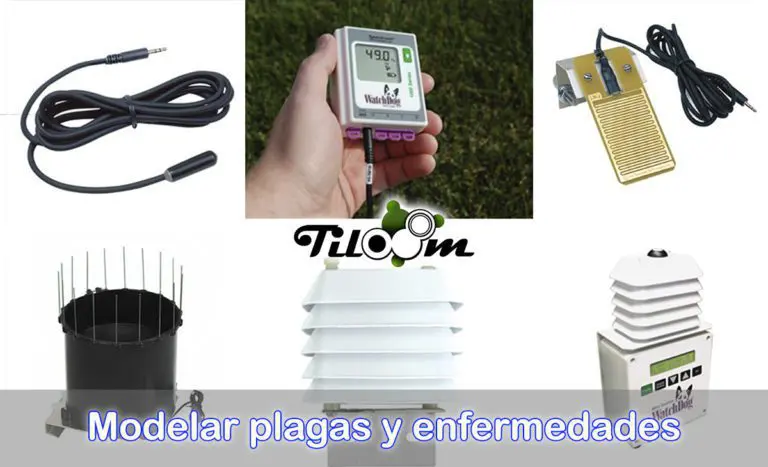
The study of biology is enabling the modelling of crop pests and diseases.
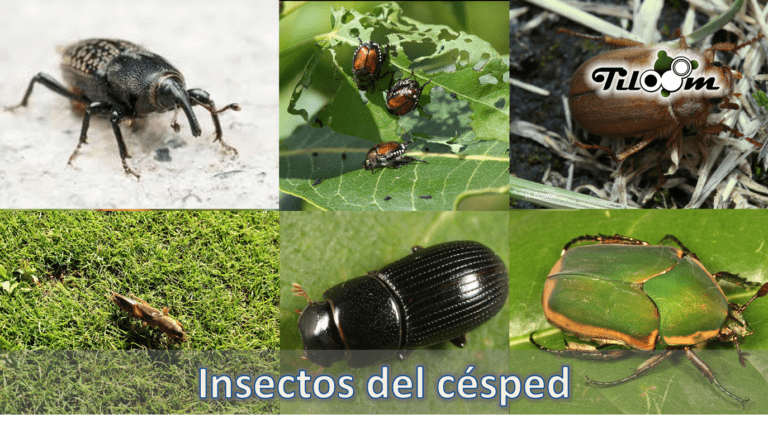
Acting with knowledge about the most common soil insects in turf is a great tool to avoid problems.
 Español Español
  English (UK)
 Português
 Français
 Italiano
 Deutsch
 العربية