
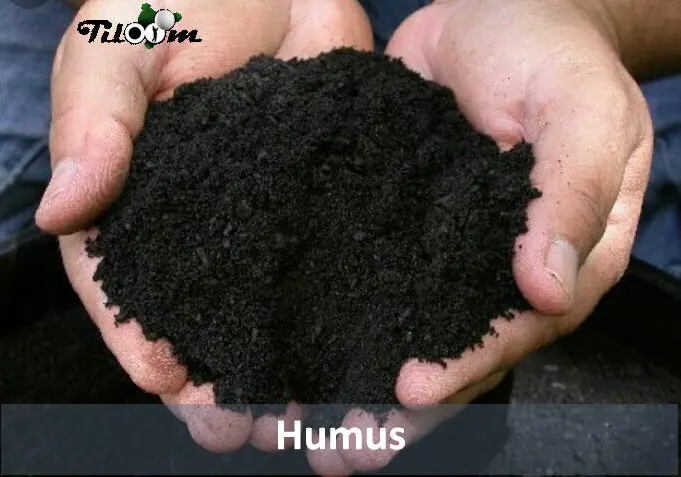
The humification of organic matter consists of the transformation of organic compounds, by means of micro-organismsIt is an organic compound with no defined composition (no amino acids, no organic acids, no living microbial biomass), and biostable. It gives the soil suitable characteristics, increasing aeration, moisture, cation exchange capacity, aggregate formation, soil structure improvement and disease control.
Contrary to what happens with the mineralisationhumification sequesters carbon and reduces carbon dioxide emissions, making it an optimal process from a sustainability point of view. Its mineralisation is slow.

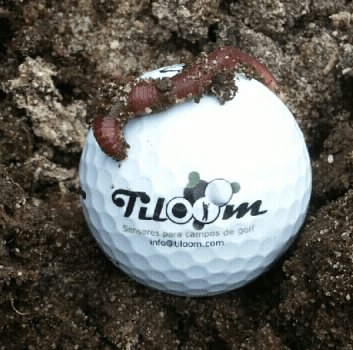
Vermicomposting is the technique for the production of humus through the cultivation of earthworms, in particular the California red worm.Eisenia foetida"..
There is evidence of antagonistic properties for many common turfgrass diseases such as S. homeocarpa, P. graminicola and M. nivale. The antagonistic bacteria found include the following: Pseudomonas aeruginosa, P. fluorescens, Xanthomonas maltophilia, Enterobacter cloacae, Bacillus subtilis (Hoitink & Fahy 1986).
 Español Español
  English (UK)
 Português
 Français
 Italiano
 Deutsch
 العربية