
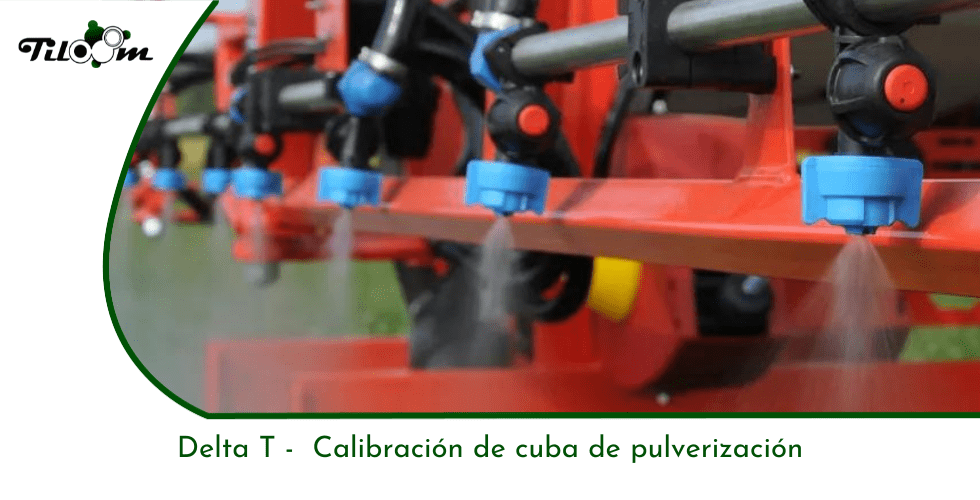
Tank spraying applications are our daily bread and butter in the field. Their use is so intensive that when there are problems with the tank, the work schedule suffers. Frequent calibration is essential for effective applications in order to keep track of changes in the machine. But do we know how to calibrate a bucket?
Calibrating the tank is an essential activity in order to carry out correct spraying. In today's post we will see how to carry out a proper calibration.
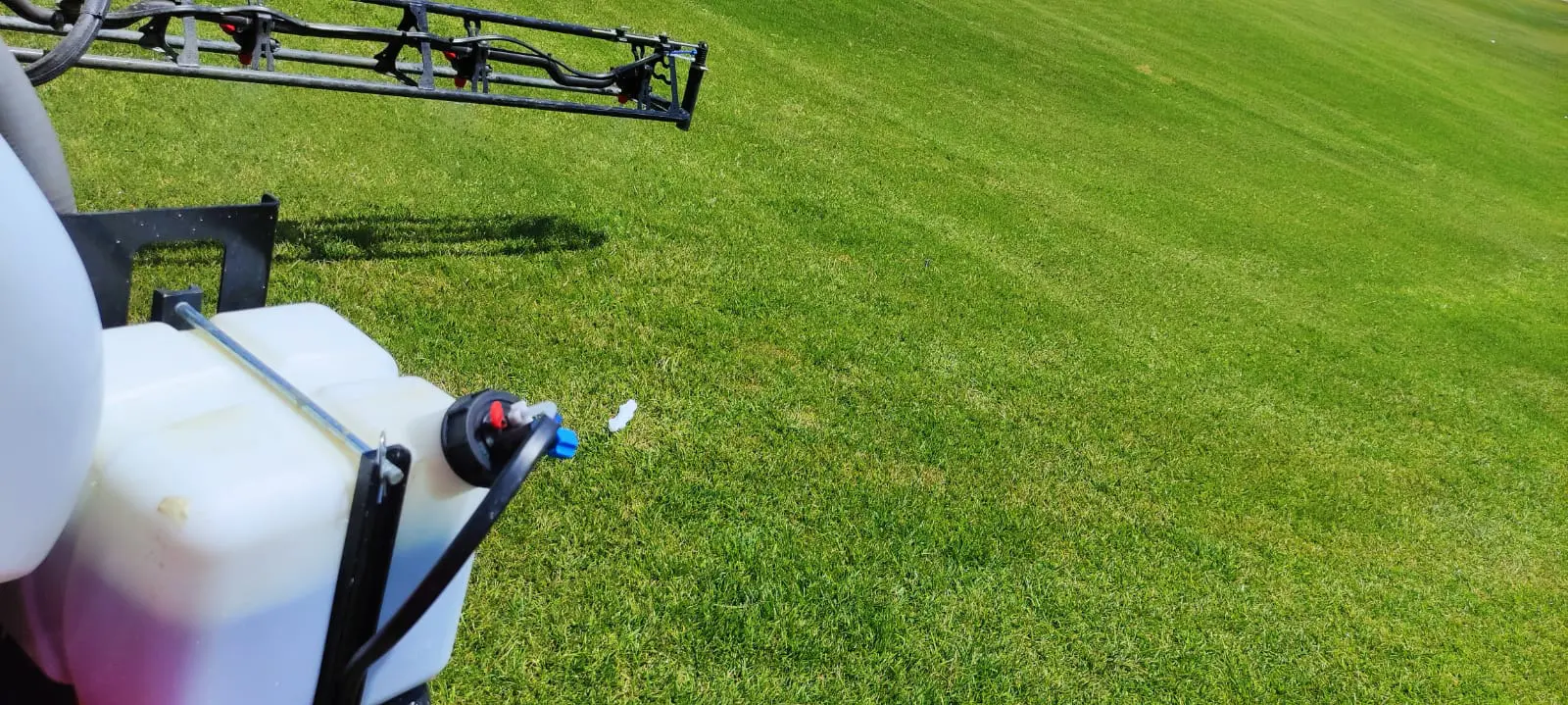
The gear and speed determines the working pressure of the pump and the type of spraying the nozzles will perform. It is recommended that this measurement be carried out in much the same way as it would be during the application of a product.
The time recorded during the 100-metre run is key in order to know the rainfall of the tank under the conditions set beforehand.
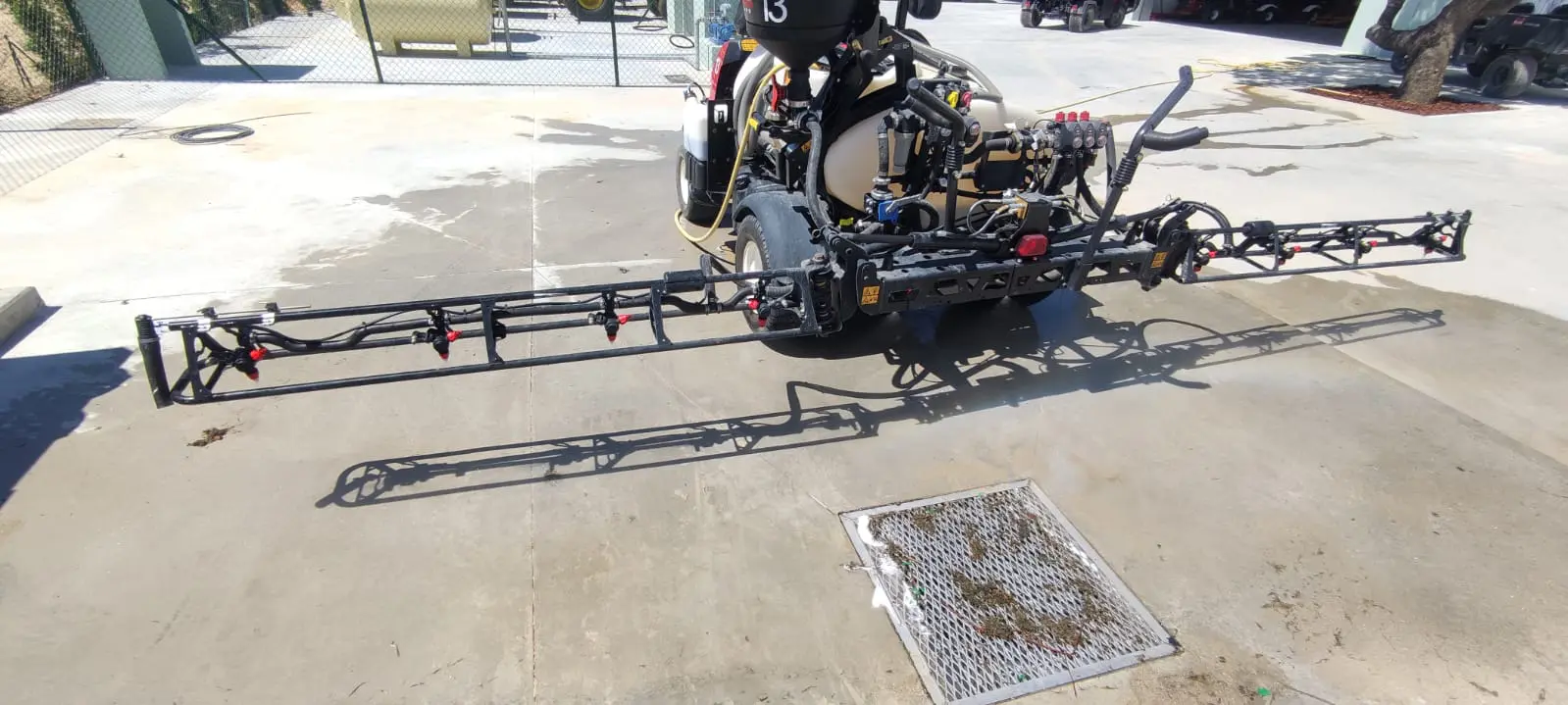
If it takes 1 minute (60 seconds) to travel 100 metres and the width of the bucket arms is 6 metres, we know that we can apply 600 square metres in one minute.
Now it is time to know what flow rate we have available, for which we need a beaker calibrated in millilitres. It is important to start the machine again with the same revolutions and pressure as in the previous steps, but at this moment the tank must be in neutral. When the tank is working at the desired point, spraying should be started at standstill.
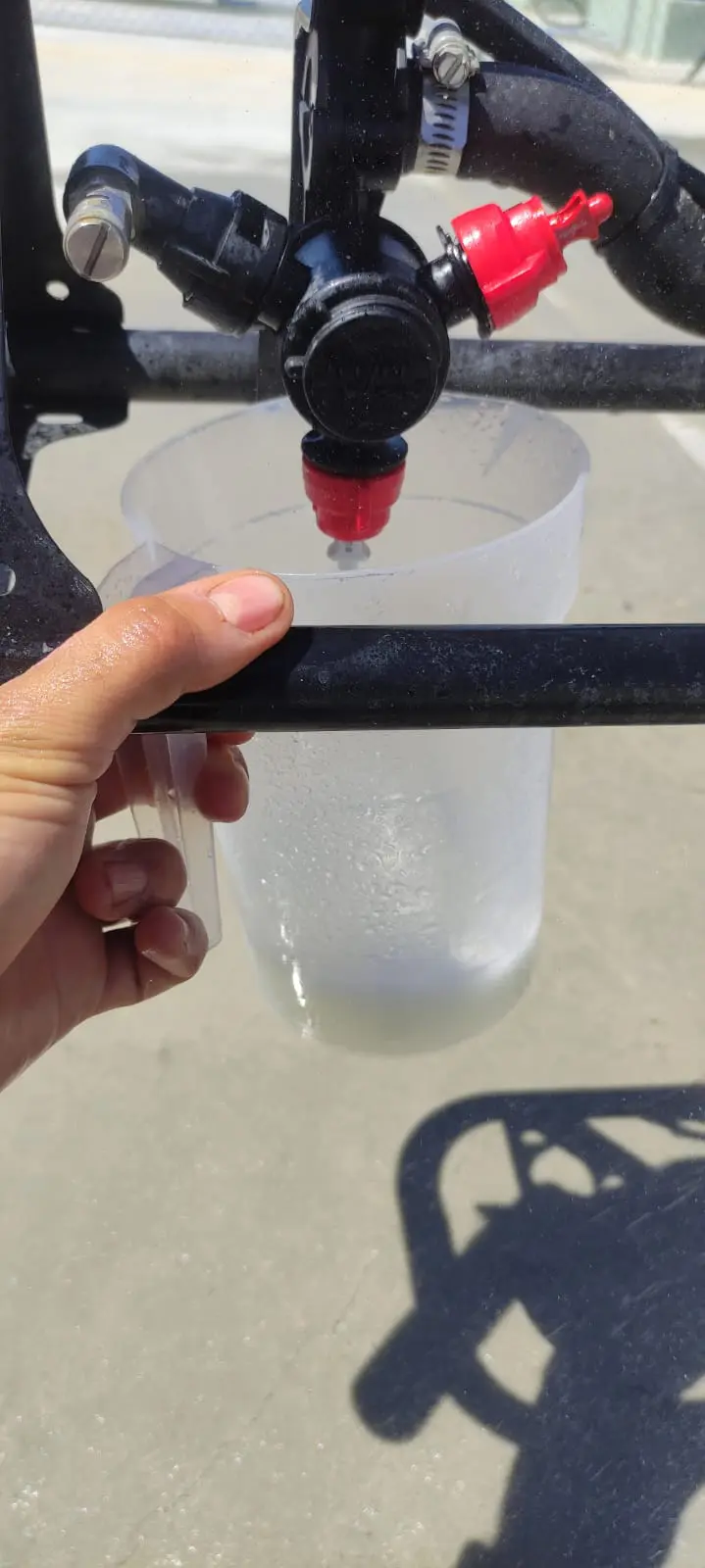
It is better to use times that can be easily multiplied, 10 seconds, 30 seconds or one minute.
The red nozzle releases 1.1 litres in 30 seconds. In the time it takes to run 100 metres under the desired conditions (60 seconds) it releases 2.2 litres per minute. The tank has a total of 11 nozzles, so the tank releases 24.2 litres in 60 seconds.
We can finally conclude that on 600 square metres the bucket sprays 24.2 litres. By means of a simple rule of three we can calculate that on one hectare (10,000 square metres) the bucket sprays 403.33 litres.
In this simple way we know exactly what the flow rate of our tank is and we can be much more precise with the sprayed treatments. If we combine these simple calculations with the use of the variable Delta T we will have the necessary tools to carry out effective, safe and top quality spraying work.
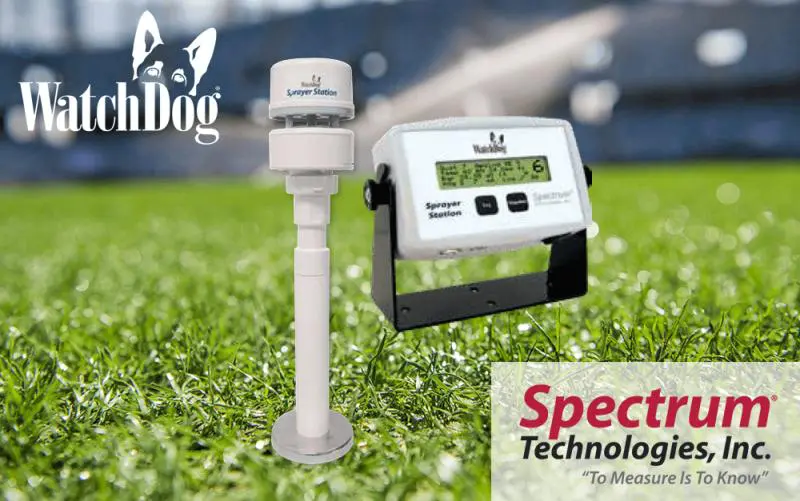
If you want to install a weather station in your field or include an ultrasonic station mounted on your tank, contact us at info@tiloom.com and we will help you choose the right ones. measurement tools perfect weather for you.
 Español Español
 English (UK)
 Português
 Français
 Italiano
 Deutsch
 العربية