
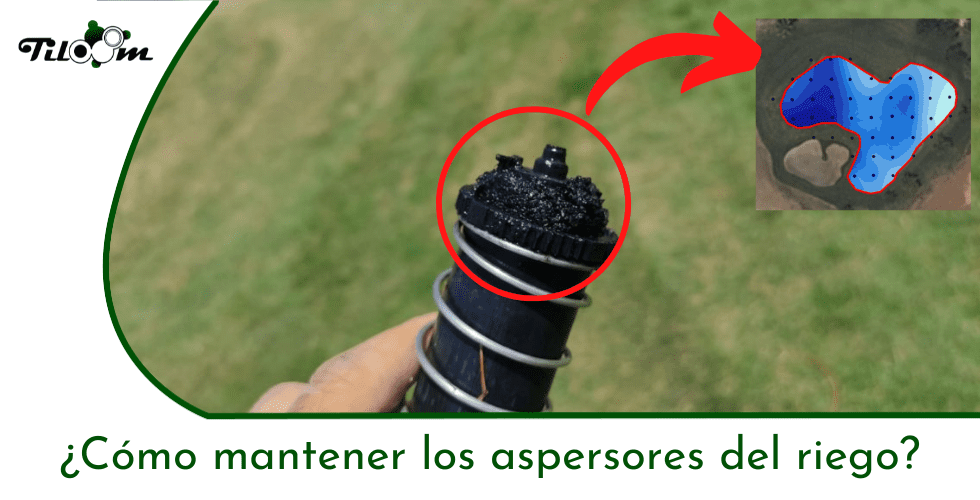
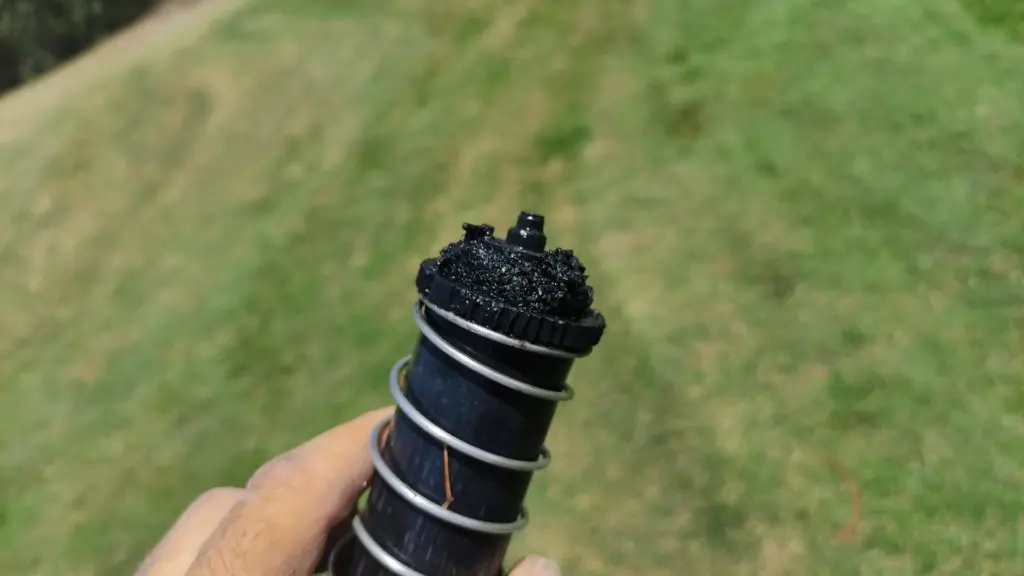
How to maintain irrigation sprinklers is key as summer is a challenging time. At this time, irrigation efficiency is vital for the optimal management of our fields, it is therefore advisable to review the basic elements of the irrigation system, such as the turbine sprinklers. There are a multitude of foreign elements that can jam our sprinklers, whether they are calcareous incrustationsIn this entry we will review the key points to observe for high efficiency. One more key activity within the recommended tips for this time.
If turbine sprinklers are not cleaned properly, the flow rates and ranges for which their irrigation frames are designed will no longer be efficient. dry patches.
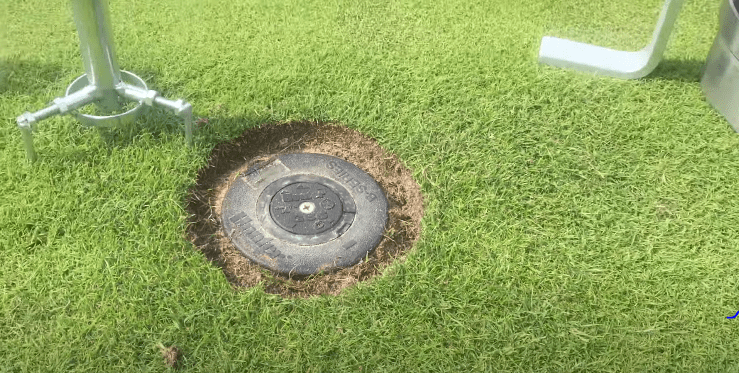
1º - The first step is to lift the sprinkler turbine. Normally the grass grows inside the sprinkler and ends up causing the turbine to break because it makes it difficult to turn.
2nd - After cleaning, the water passage should be cleaned, i.e. it is advisable to clean the lower filter, the filtering elements, stones and dirt in the nozzles.
3º - If you have time after removing the turbine, it is advisable to level the sprinkler casing as much as possible, even raise them as they sink with use and the sprinkler casing.
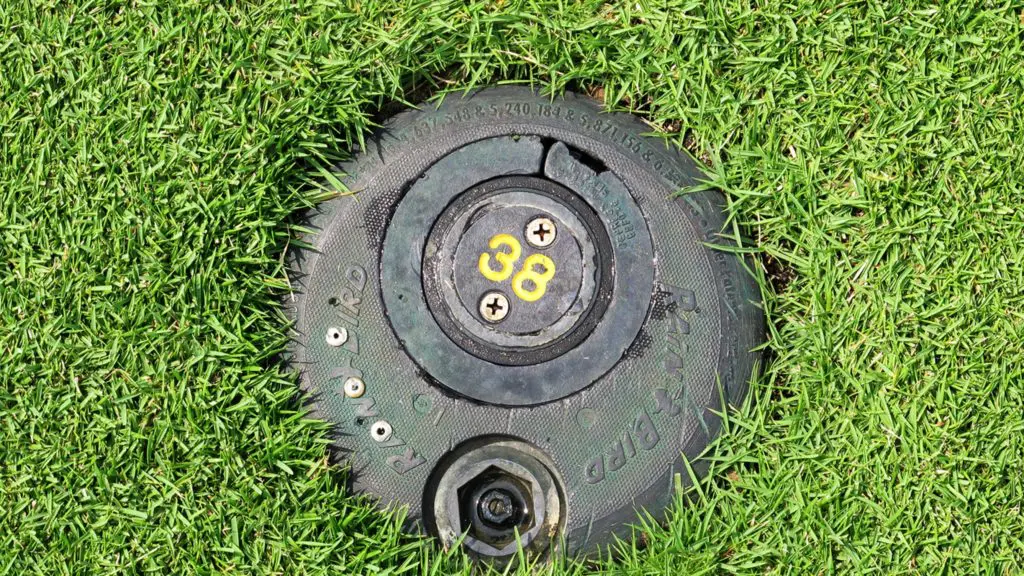
4º - The last point to check for the correct management of the sprinkler cleaning is to remove the excess grass that grows on the turbine and the casing.
In addition, it is always important to note that the waste water from WWTP always result in higher suspended solids and turbidity.
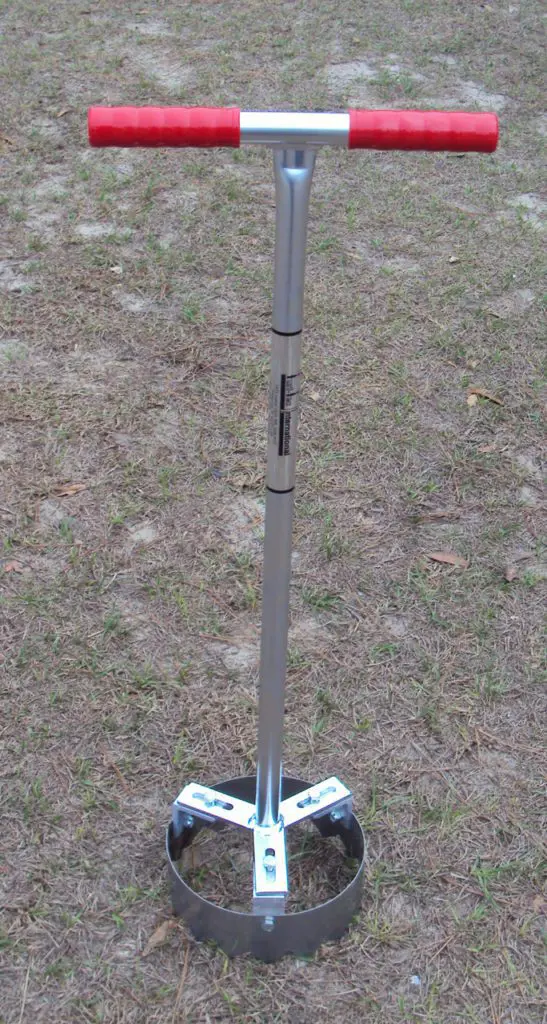
Failure to clean sprinklers of grass and dirt from their filters forces the turbines to work harder than expected, greatly shortening their life span. If you want quality tools to clean your sprinklers, please contact us at info@tiloom.com and we will offer you the best value for money products.
Cleaning sprinklers is not the last step to ensure effective summer irrigation.

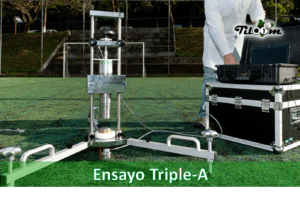
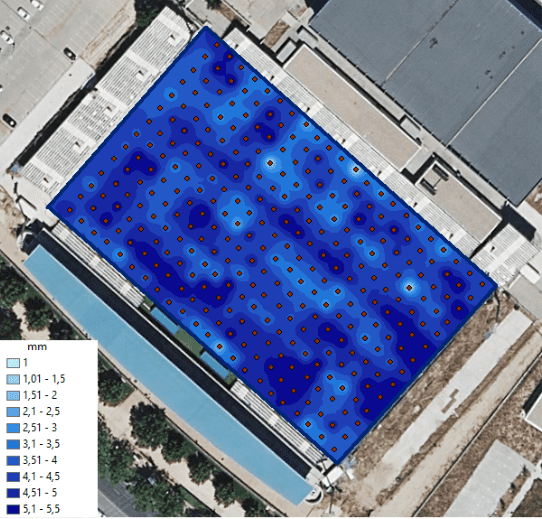
After cleaning the sprinklers, it is advisable to carry out a rainfall test on the entire surface. It doesn't matter if it is a green, a tee or a football pitch. This is the moment to check if the entire surface receives a similar amount of water. We can modify the rainfall by changing sprinkler nozzles, for example.


The most important thing is that uniformity is high.
After rainfall measurement, the next step is to assess the soil's capacity to absorb the water and keep it in the soil adequately.
The humidity sensors laptops such as POGO are an ideal tool for this purpose, as they generate automatic moisture maps.

Comparison
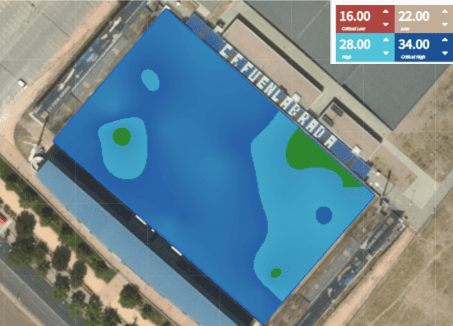
The problems may be various, some with better or worse solutions:
Drainage: different types of problems may be encountered infiltration rates on the surface due to different textures in the soil profiles, compactness, inefficiency of the drainage system, etc. (either due to poor design, clogging, etc.), iron cementationetc....)In the case of very high infiltration rates, it is possible to resort to the use of moisture retaining polymers or the use of high added-value agronomic amendments such as the leonardite is a great solution.
TopographyThis is particularly relevant on greens, especially those with very steep elevations, as they cause runoff before it can be infiltrated by the soil. The most effective way to solve this problem is through the use of penetrating y moisture retainers.
Irrigation is vital for the field, taking care of it is necessary and by using our instrumentation, the improvement will be huge with a minimum investment. Contact us to find out more at info@tiloom.com.
 Español Español
  English (UK)
 Português
 Français
 Italiano
 Deutsch
 العربية