
Diseases
Fact sheets and articles on turfgrass diseases: dollar spot, brown patch, anthracnose, fusarium, pythium and many others. Each text describes the symptoms, the causal agent, the moisture and temperature conditions that favour it and the most effective cultural and treatment measures.
21 ARTICLES
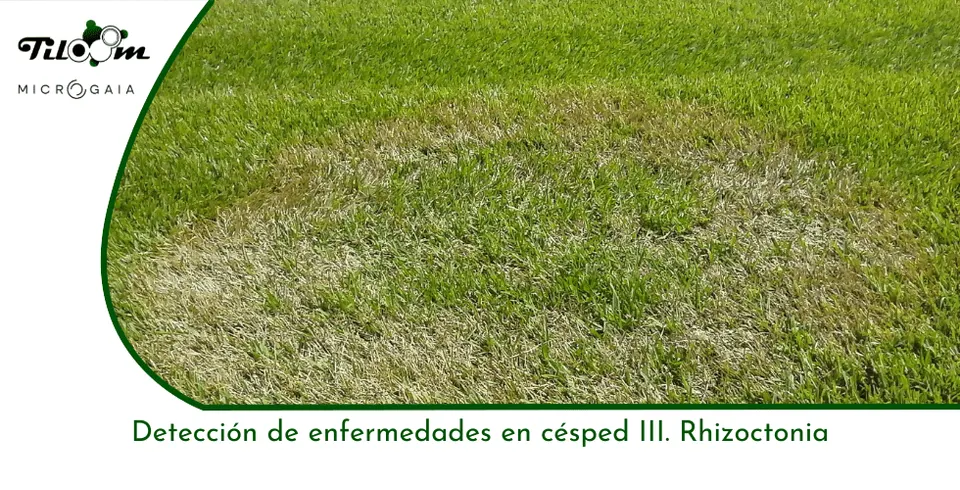
Turf disease detection III. Rhizoctonia
Rhizoctonia was first identified in 1914 by C. D. Piper, director of the USGA, and the disease was named “Brown Patch”. Raúl Bragado Alcaraz · 13 December 2022Read more »
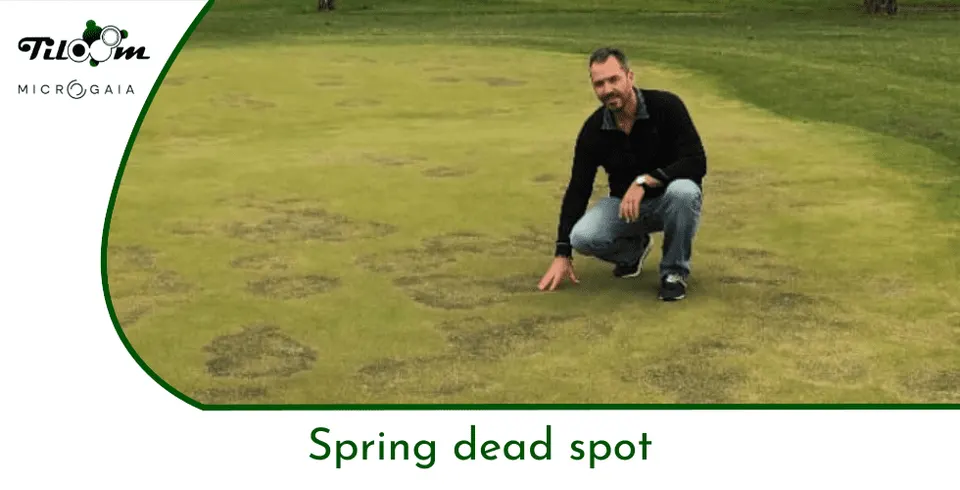
TURF DISEASE DETECTION II: SPRING DEAD SPOT
Spring dead spot fue observado por primera vez en Oklahoma en 1936. La enfermedad ampliamente extendida sobre todo en bermuda se caracteriza por áreas circulares muertas en el césped al Javier Méndez Lorente · 15 November 2022Read more »
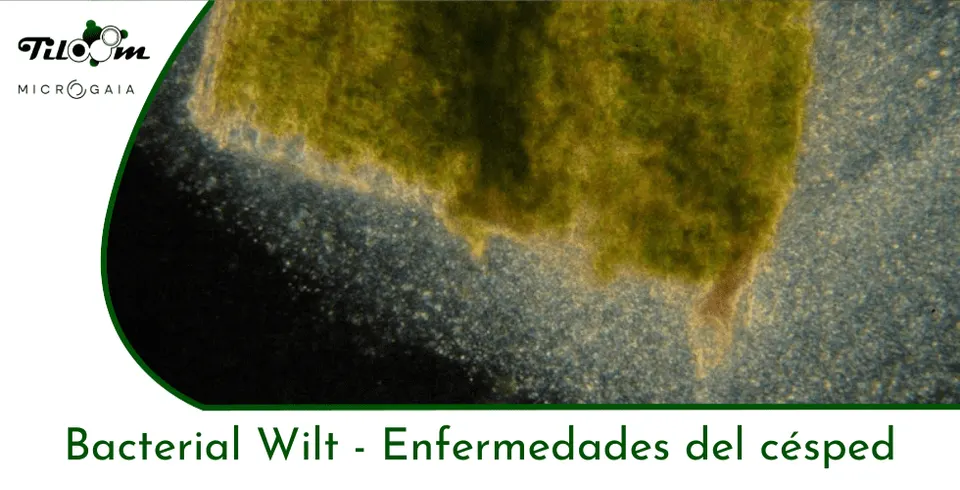
Turf disease detection I: Bacterial Wilt
Bacterial Wilt, caused by the bacterium Xanthomonas translucens pv. poae, has been detected in many places, starting with golf courses across North America.Javier Méndez Lorente · 19 October 2022Read more »
Good Rhizoctonia practices: steps for effective control
Find out how drainage, morning watering and moderate doses of nitrogen curb Rhizoctonia infection. Ignacio del Rey · 31 July 2019Read more »
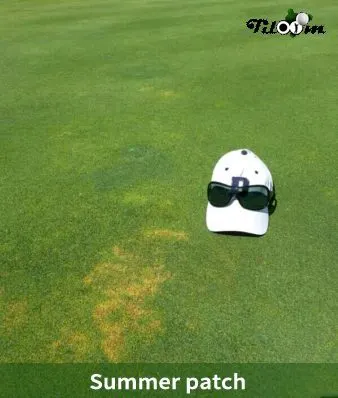
Summer Patch
Summer patch is a disease caused through root infection by the fungus Magnaporthe poae. Poa Annua, Poa Pratensis and Festucas Finas.Raúl Bragado Alcaraz · 23 November 2016Read more »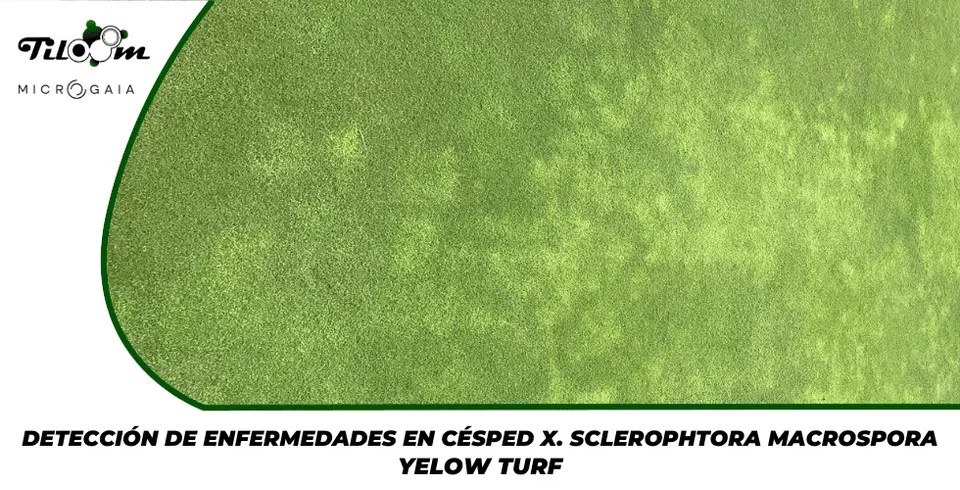
Disease detection in turfgrass X. Yellow Tuft
Yellow tuft is a fungal disease caused by the water fungus Sclerophtora macrospora. It is most common on Agrostis and Poa Annua.Raúl Bragado Alcaraz · 21 November 2016Read more »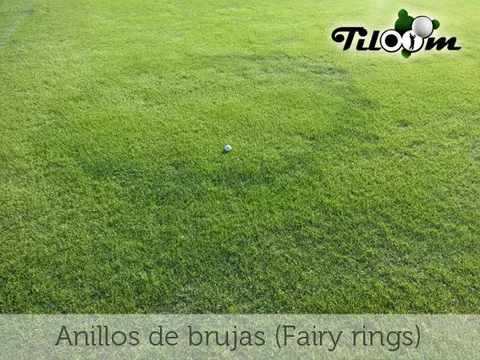
Fairy Rings (witches' rings)
The causative agents of this disease are Chlorophyllum, Marasmius, Lepiota, Agaricus, Amanita, Licoperdon, Calvatia, and other basidiomycetes.Raúl Bragado Alcaraz · 18 November 2016Read more »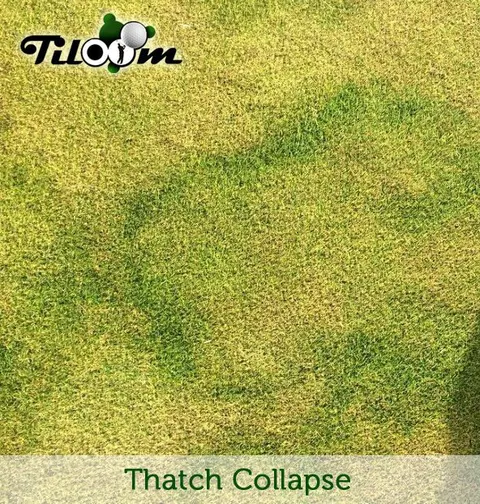
Thatch Collapse Disease
The pathogenic fungus causing this disease is Sphaerobolus Stellatus, a basidiomycete. It usually occurs on greens mown at very low mowing heights.Raúl Bragado Alcaraz · 16 November 2016Read more »
DISEASE DETECTION IN GRASS XII: Gray Leaf Spot
Gray Leaf Spot is a disease mainly affecting Rye Grass and Fescue. The pathogenic fungus is Piricularia Grisea.Raúl Bragado Alcaraz · 11 November 2016Read more »